

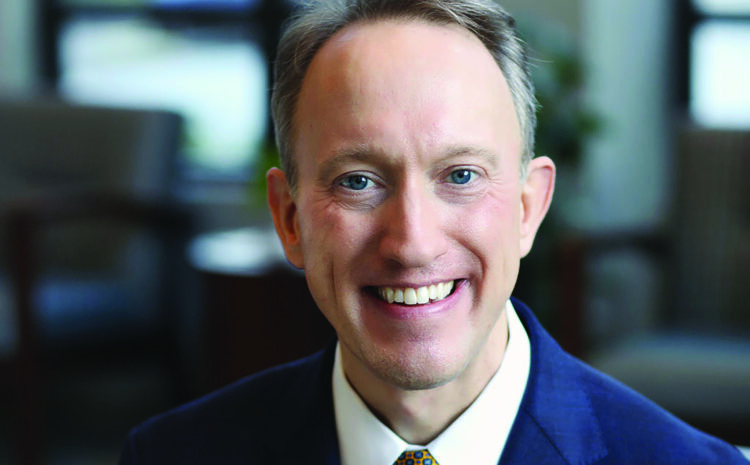
Local organizations like the Lindner Center of HOPE can assist young people with mental illness
We may no longer be social distancing, but we’re still experiencing the ramifications of COVD-19, particularly when it comes to our mental health. According to the Mayo Clinic, levels of stress, insomnia, anxiety and depression continue to be higher than they were before 2020.
This is particularly true in children and teens.
“The pandemic has really exacerbated everybody’s awareness of mental illness and mental health symptoms, but it has especially impacted young people,” says Dr. Paul R. Crosby, president and CEO of the Lindner Center of HOPE in Mason.
The Lindner Center of HOPE, founded in 2008 to provide mental health care to the community and raise the standard of mental health care in the country, has seen the need for this type of care increase. The center has what it calls a “complete campus of care,” providing everything from outpatient care to intensive treatments for patients of all ages. However, to meet the need, the center has hired about 50 clinicians over the last two years, increasing its team to 80 clinicians.
“Suicide is the second leading cause of death for younger people, and that rate is increasing. If there’s one thing to note there, to underline the crisis, that’s it,” adds Crosby, who is experienced in treating children and adolescents.
While the pandemic has increased the rates of mental illness symptoms, those symptoms are affected by the environment, genetics, physiology and where a person is in their life developmentally. “Broadly speaking, anxiety disorders are the largest class of disorders that affect children and adolescents. But it can run the range. Children and adolescents also experience mood disorders. ADHD is probably the single most common diagnosis,” says Crosby.
“There’s a myth out there that [mental illness] is over diagnosed and overtreated. The data actually suggests that it is underdiagnosed and undertreated in general. We know that about 50% of major mental illnesses first start to show symptoms before the age of 14. And by the time you get to be in your early 20s, that number goes up 80%. What that means is that for people who are going to eventually develop mental health symptoms, most of the time that starts in childhood.”
Crosby recommends seeking help for your child when they are experiencing distress or dysfunction due to their mental health. “I think what’s maybe easier to grasp and kind of a broader definition is that, at its heart, mental illness interferes with a person’s ability to think, act or feel like themselves. If your loved one doesn’t seem themselves, even if you can’t really put your finger on it and you think it might be due to mental health factors, then that’s a good time to seek professional advice,” he says.
At the Lindner Center of HOPE, treatment is offered to those as young as 2 years old for a variety of illnesses. “We have a team of child and adolescent providers, psychiatrists, advanced practice nurses, psychologists and therapists who can really provide a full range of mental health services for kids of any age,” says Crosby. Services include outpatient services, traditional medication management, psychotherapy, psychological testing, family therapy, therapy groups and a new adolescent partial hospital program.
“To really effectively treat kids, you need to be able to support the family. If you’re a parent out there, one of the most important things you can do for your child’s mental health is to make sure you’re taking care of your own… If you bring your kid to us for their mental health treatment, you can also take a look at getting your needs met here, too,” adds Crosby.
