

Community and business leaders identify the challenges ahead
It has been said throughout all of time that the only constant is change. Today, technological advancement, financial crises, supply chain disruptions and natural disasters are all forcing change to come at an ever-quickening pace.
Successful leaders from around the world and across time have not only adapted to change but embraced its inevitability. So we asked business and community leaders from the Tristate area to identify where change will have the greatest impact over the next five years.
We brought together representatives of business, nonprofits, economic development organizations and government to get their opinions in the most pithy way possible. We asked our leaders about the greatest challenges facing our area, how we can address those challenge, and where they see themselves or their organizations five years forward.
Here’s what they had to say:
Barbara Turner, president and CEO, Ohio Financial Services
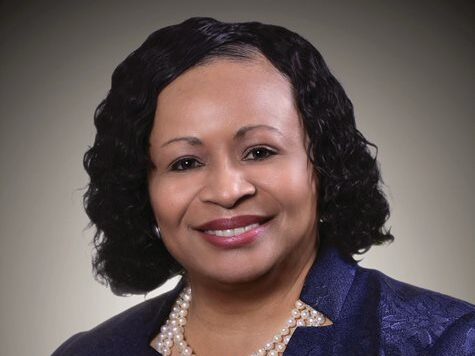
Turner was elected president and CEO of Ohio Financial Services last year, taking over the reins at the beginning of the year. She is Ohio National’s 11th president and the first woman and person of color to serve in this role since the company’s founding in 1909.
Turner has more than 35 years of leadership experience in the financial services industry. She joined Ohio National in 1997 and has served as Ohio National’s president and chief operating officer since November 2018. Turner’s vast and diverse experience includes leading Ohio National’s annuities strategic business unit, serving as chief administrative officer and serving as president and chief executive officer of The O.N. Equity Sales Company (ONESCO), the company’s affiliated broker/dealer.
Turner: The greatest challenges facing us in the near term are affordable housing, attracting and retaining talent, and providing quality education to all students regardless of socioeconomic status.
Cincinnati has a very caring, generous and strategic business community. The business community will continue to collaborate on identifying viable solutions that consider all stakeholders in our community. We have amazing organizations such as the Cincinnati Business Committee, Cincinnati Regional Business Committee, Cincinnati USA Regional Chamber, 3CDC, Cintrifuse, United Way of Greater Cincinnati and the Port Authority (to name a few) that are focused on addressing the critical needs of our region. We also have amazing corporate partners that are committed to investing in the viability, success and growth of our community and ensuring that everyone who calls Cincinnati home has an opportunity to thrive and prosper.
Ohio National will continue to focus on our mission of helping individuals and businesses achieve financial security and independence today and for generations to come. Our mission is more critical now than ever. We will continue to expand our distribution footprint and product offerings to ensure they are accessible to all. We will also continue to invest in our region and initiatives that support financial literacy, independence and security—as well as diversity, equity and inclusion.
Joy Lytle, president and CEO, Clermont Chamber of Commerce
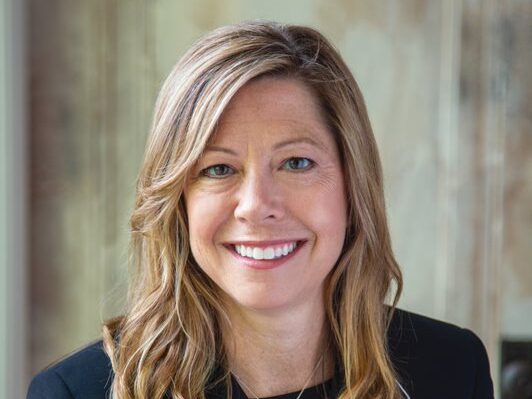
With more than 20 years of experience working with for-profit, nonprofit and government sectors, Lytle brings a wealth of diverse experience to her position as president and CEO of the Clermont Chamber. Serving on various chamber committees over the years, Lytle is also active on numerous education, philanthropic and civic groups and boards, serving recently with CREW Cincinnati, ArtsWave, UC Clermont Advisory Council, United Way Eastern Area Campaign, Clermont Complete Count Census, Coalition for a Drug Free Clermont County and Clermont County Imagination Library.
Lytle: The greatest challenge to the Cincinnati regional business community, aside from COVID-19, by far, is workforce development.
COVID-19 has presented major challenges for organizations: adapting workplaces, supporting remote workers and reimagining what work looks like in small, medium and large organizations. The business community must work collaboratively to build sustainable work solutions. This can be addressed by working with communities, schools and governments to rebuild the workforce. Partnerships with community colleges, universities, high schools and technical career schools are crucial for working with local businesses. Businesses can offer experience and support to provide training, job shadowing, apprenticeships and internships. Working with community organizations like Ohio Means Jobs can also help to reskill employees, develop their digital acumen or other challenges. Businesses must also work with political leaders to offer their voice to help create jobs and provide training to those who are unemployed. The workforce challenges facing our community today are daunting. However, if we can work together and build bridges and partnerships, we can overcome these obstacles and find creative, sustainable resolutions.
The Clermont Chamber of Commerce has been around for 52 years. What started off as a rural community chamber with a handful of key stakeholders has now turned into a vibrant, fast-growing chamber, the third largest in our region—serving over 10,000 businesses and 208,000 residents. Clermont County is just scratching the surface of an economic boom. We pride ourselves on being alert and agile with the ability to adjust our position as our member needs evolve and change, while continuing to build and nurture relationships within our region. The Chamber’s key initiatives are advocacy, economic growth, and member/investor benefits. We will continue to keep the Clermont Chamber of Commerce mission front and center—to make Clermont County the preferred place to location, operate and grow a successful business.
William J. Seitz, Majority Floor Leader, Ohio House of Representatives
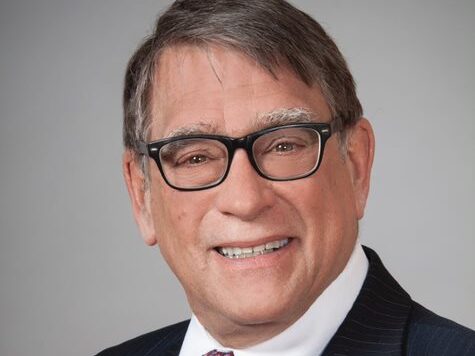
Beginning in 2000, Seitz served in the Ohio House of Representatives for almost seven years, where he rose through the ranks, serving as Majority Whip and Assistant Majority Whip and chair of the Civil and Commercial Law Committee. Seitz then went on to serve in the Ohio Senate from 2007 to 2016 before returning to the Ohio House where he is now serving the 30th House District in his second consecutive term.
A lifelong resident of western Hamilton County, Seitz is known for his colorful floor speeches and legal acumen. A fiscal conservative, Seitz is a champion of government efficiency. In 2014, he was named Southwest Ohio’s Best Antitrust Lawyer by the Best Lawyers in America Book, where he has been listed for the past 10 years. He also was named State Legislator of the Year by the United States Chamber of Commerce Institute for Legal Reform.
Seitz: As the more numerous baby boomers age out of the workforce, replaced by far less numerous younger generations, some of whom will bear the scars of sharply declining student achievement scores due to COVID lockdowns, we will face a workforce problem that will exacerbate already fragile Social Security and Medicare funding streams. The aging population will particularly strain the nation’s health care infrastructure, already teetering due to staffing shortages.
Technological advances and energy independence policies can help address those challenges, but not completely; they are necessary but not sufficient to wholly meet the challenge.
Businesses must unite to invest human and financial capital in workforce development, in supporting education from pre-k through college, in taking control of public school boards and in advocating for greater allowance of legal immigrants to supplement the work force. The “woke” rhetoric from our education elites needs to be discarded in favor of an unrelenting effort to increase productivity and proficiency across all workplaces. Businesses should work for responsible changes in law that break down occupational licensing barriers and allow more flexibility in cross-trained/cross-licensed professionals.
I can serve for one more term in the Ohio House through 2024, at which time I will be 70 and will have served for 34 consecutive years in elective office so by 2026, I will likely be retired but hopefully more active in community nonprofit organizations.
Moira Weir, president and CEO, United Way of Greater Cincinnati
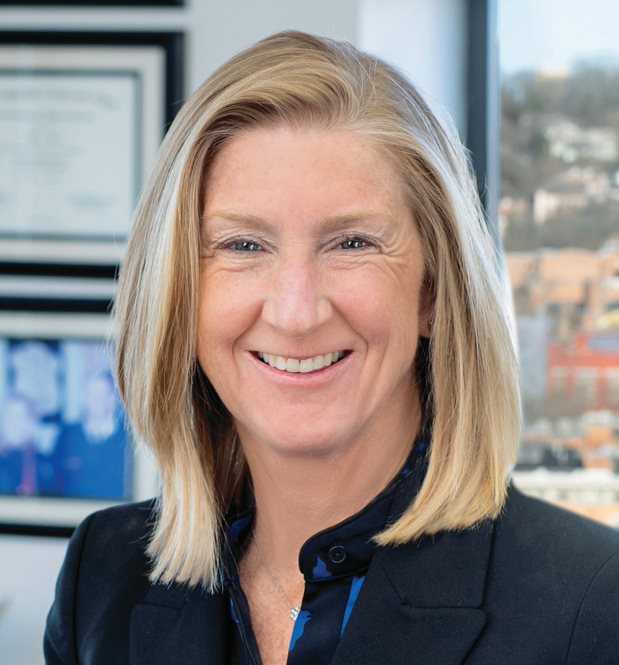
After an extensive national executive search, the United Way of Greater Cincinnati’s Executive Board of Directors named Weir the organization’s president and CEO. Previously, Weir led Hamilton County Job and Family Services (JFS), an organization that helps hundreds of thousands of Hamilton County families and children each year. Weir, who started as a frontline Children’s Services worker at Job and Family Services 27 years ago, rose through the ranks to ultimately lead the organization for the past 12 years.
Weir has been an advocate for innovation and change management at JFS. During her tenure as director, the agency has received awards for 12 different innovative programs from the National Association of Counties.
Weir: As we recover from both a health and economic crisis, we must make sure we support an equitable path to recovery for all in our region.
Nearly a quarter of all adults in our region recently reported being worse off than they were a year ago. People of color and those with lower salaries were disproportionally impacted.
We need a strong workforce with jobs that pay a living wage. If we want our community to thrive, our families must thrive.
[We address those challenges] by listening intently to the families we serve. Those closest to the challenge are best to author the solution, because they know what works best.
Then we must leverage the strengths of the business community, nonprofit sector, government and other key stakeholders and align resources and systems to produce the best results.
Meeting immediate needs is crucial, but for true systemic change, we must address root causes such as education, health care, transportation and living-wage job opportunities. If we all work together on these issues, pulling in the same direction, true change is possible and all people can thrive.
United Way is laser focused on the economic well-being of all Greater Cincinnatians. We meet daily with families, and those closest to families, to support them on their path to success. We take what we learn from those interactions—along with the data we gather—and apply it to changing systems so more people achieve economic well-being in the future.
Our plan is to help educate the challenges and solutions and then convene key stakeholders to act on those solutions. Working together, we can spur recovery for our region and long-term economic well-being for all.
Kimm Lauterbach, president and CEO of REDI Cincinnati
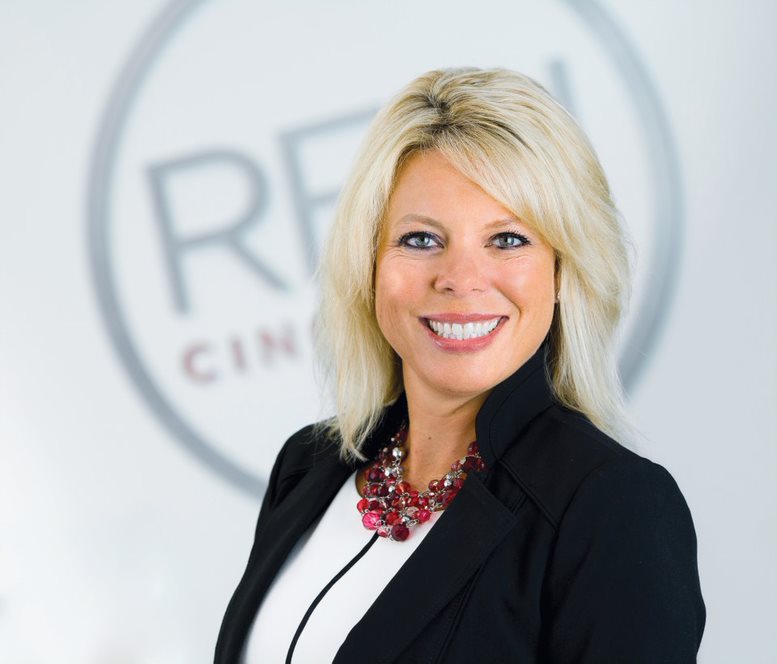
As a founding member of REDI Cincinnati’s leadership team, Lauterbach engineers strategies and tactics that strengthen the three-state, 16-county Cincinnati region to compete globally. Lauterbach took the helm of REDI Cincinnati in September 2018, following five successful years as vice president of business development and project management for the organization. In that role, she changed the face of economic development in the Cincinnati region, leading all aspects of the deal for companies locating to or expanding in the region.
She also has played a pivotal role in Ohio’s economic development across multiple cities and counties in both the public and private sectors, aligning diverse stakeholder interests with the needs of business communities across long-term regional economic goals. Lauterbach serves on the board of directors for the Cincinnati USA Regional Chamber and Source Cincinnati, as well as the Greater Cincinnati and Northern Kentucky Foreign Trade Zones and Tri-County Economic Development Corporation (Northern Kentucky Tri-ED).
Lauterbach: Attracting talent to the region will be one of the most significant challenges moving forward. The effects of the pandemic on regional economies are becoming increasingly apparent, and we are seeing the rise of remote work changing the nature of jobs. Jobs and employers are now chasing people instead of people chasing jobs. As companies look for the talent they need to grow, they are looking across the country. Ensuring there is talent in the Cincinnati region will be a key to its growth over the next five years.
The region’s business and community leaders are already tackling the issue head-on. Centers of Excellence, such as the Cincinnati Innovation District, are bringing business and talent together to make it easier for companies to grow in the region. We have all the right ingredients to succeed, but it’s also a matter of getting that message out.
The region has been ranked as a top place for remote work and a top place to live by several sources since the pandemic. Even though we have all the right ingredients to thrive in a changing world, we still have to get that message out. We don’t want the Cincinnati region to be a secret to the rest of the country.
For the last seven years, REDI has been recognized as a top economic development organization in the country, and we want to keep that trend going. That includes continuing to serve as an adviser and convener of partners in the region.
We talk a lot at REDI about the power of partnerships, because it’s rare that one organization alone has the tools to grow the region. Our expertise in partnerships will be a guiding force for us as we look to execute on our five-year economic development strategy.
