

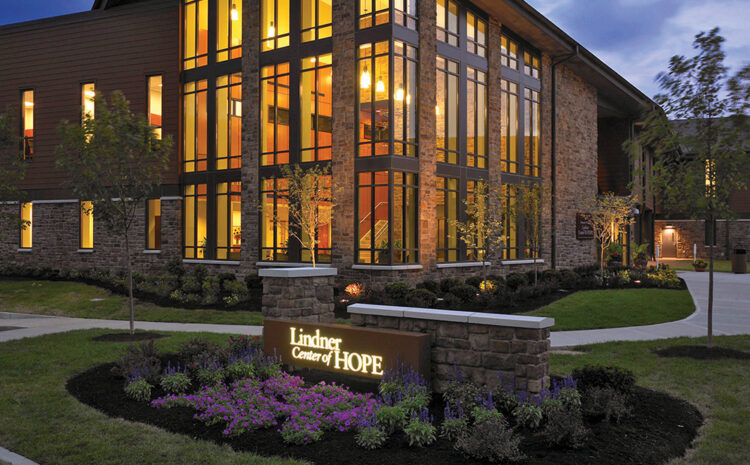
Local mental health resources are growing to meet demand
Mental health influences many areas of our lives, from how we think and feel to how we act and conduct ourselves. It also affects a person’s ability to handle stress and overcome challenges. We spoke with several local mental health experts who shared insight on the importance of good mental health.
Dr. Dallas Auvil, TriHealth’s system chief for behavioral health services, says the most common mental health disorders are anxiety and depression. Substance abuse, including alcohol and drugs, is also pretty high.
“It’s important for people to know that these things are common, and almost everybody and their family has somebody suffering from it. I think in terms of trying to get help, it’s important to be persistent. It can be frustrating, but be persistent in trying to get help, and then once you do that, then stick with the allotted treatment,” Auvil says. “Some people, because of stigma, or their own thoughts about it, don’t get help, and they continue to suffer. It’s important for them to know that they can reach out for help.”
Over the past few years, TriHealth has expanded and integrated mental health services at pediatric and adult primary care locations in hopes of identifying and treating issues such as addiction, anxiety and depression. TriHealth’s latest population health initiatives aim to improve outcomes of Cincinnati-area patients when it comes to addressing their mental health concerns.
“The idea is to look at the person as a whole and if they have depression to treat it, if they have anxiety to treat it, or, if there’s underlying substance abuse, to identify it and treat it,” Auvil says.
For adult TriHealth patients, TriHealth recently opened an outpatient behavioral health clinic at the Good Samaritan Medical Office Building in Clifton. A second location is expected to open in the North at a later date.
Following the COVID-19 pandemic, behavioral health needs have significantly grown across all patient populations, and research indicates the trend will continue.
“What I’m seeing is COVID, the acute phase of the pandemic, is no longer in crisis. We’re not totally in crisis with COVID as we were before, but mental health still is in a crisis, and that comes from a variety of factors,” says Dr. Shana Feibel, assistant professor of clinical psychiatry and behavioral neuroscience in the UC College of Medicine and a psychiatrist at the Lindner Center of HOPE in Mason.
“We have people who have worked from home that are now just getting back to in-person, especially teachers, and it’s a whole new thing for them, again, and we see a lot of overwhelmed, anxious people,” Feibel says.
COVID has triggered and made worse people who have already had existing mental health problems, and it has triggered new mental health diagnosis in people who never previously had them, she says. Another thing Feibel is seeing among high school-age students and those who are 18 and 19 years old is bullying.
“I know that’s not a new thing, but with technology, we see all these younger people getting bullied on Facebook, or Instagram, and there are all these new technology opportunities that the bullies can use, and they will use them, unfortunately. I try to help the patients cope with that, but it really cuts them down to their core, and I’ve seen a lot of suicide attempts because of that and a lot of suicidal thoughts, and of course, depression and anxiety from it,” Feibel says.
“There’s a lot of people who don’t have the resources. So, there are a lot of people who are still suffering. There’s a lot of ways we’re trying to help them, but it’s still problematic. So, I would say there’s a huge part of the population that’s not being seen by mental health professionals,” she says.
