

Cincinnati Art Museum’s updated gallery brings new pieces out of storage, looks to ‘decolonize’ view of art
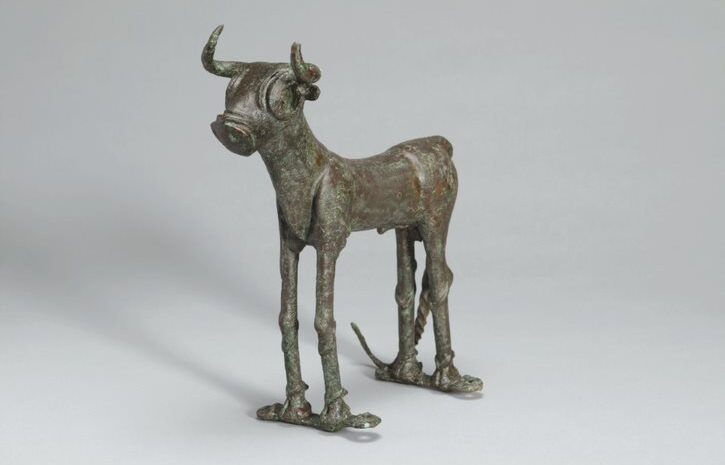
The Cincinnati Art Museum recently unveiled its updated ancient Middle East gallery to the public, featuring art made in the eighth millennium B.C. until the middle of the seventh century A.D.
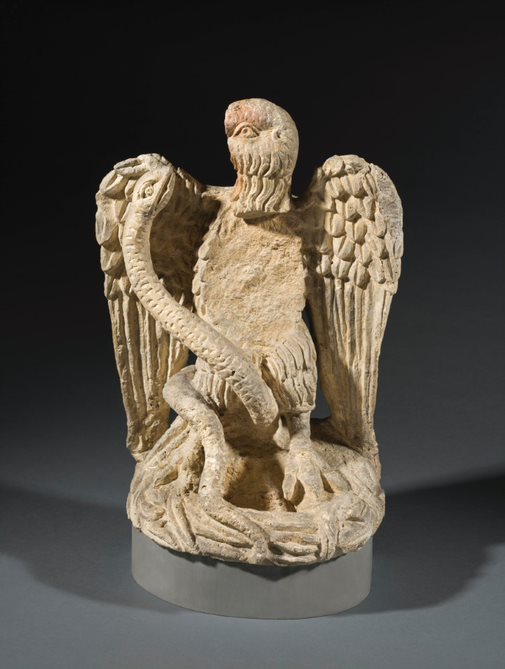
The gallery offers the most significant collection of Nabataean art in the United States.
The updates were planned by a group of curators led by Ainsley M. Cameron, curator of South Asian art, Islamic art and antiquities at the museum, with contributions from constituents at institutions such as the University of Cincinnati, Hebrew Union College, the Metropolitan Museum of Art/New York, Oxford University and the Islamic Center of Greater Cincinnati.
Since 2017, Cameron and her team have been working to redo their ancient Middle East gallery. The renovation includes not only repositioning the pieces currently on display, but also bringing in pieces that the museum has in storage.
“Our collections were mainly in storage, and we have this incredible corpus of material from Jordan and Khirbet et-Tannur,” Cameron says. “When I started [at the museum], this was one of the first projects that I got to work on because [the museum] felt really, really passionately that these items should be back on view and that the public deserves to have access to it again.”
In order to help curate the new ancient Middle East exhibit, Cameron and the museum applied for grants from the National Endowment for the Humanities and the Andrew W. Mellon Foundation, both of which the museum received. It was because of the extra funding that the museum was able to bring the constituents from various institutions onto the team.
“It was really wonderful to bring those institutions together for this project,” Cameron says.
In recent years, museums have been looking to “decolonize” their collections. According to the Washington Post, decolonizing a museum means to a take part in a “process to expand the perspectives [museums] portray beyond those of the dominant cultural group, particularly white colonizers.” Cameron says that was at the forefront of her mind when updating the ancient Middle East exhibit.
“I believe very strongly that museums are not neutral, that we play a role in the political, social and cultural landscape in which we exist,” Cameron says. As a result of that approach to museum curating, Cameron believes the newly updated ancient Middle East exhibit gives a less euro-centric view on art.
In addition to bringing new pieces into the exhibit, Cameron and her team sought to arrange the gallery sequentially, with plans to rethink the Islamic art and South Asian art exhibit as well.
“When people come into the museum, they’re not necessarily going to the antiquities gallery first and then following a chronological understanding of history,” Cameron says. “But what’s amazing about this suite of galleries is that you can move from the ancient Middle Eastern gallery into the Islamic gallery and then into South Asia. So there’s this ability to create connections between space and time.”
With the new pieces pulled out of storage and the rethinking of how the works are presented, Cameron thinks that the exhibit is worth a visit by both those who have never visited the museum’s ancient Middle East exhibit as well as those who have.
“It’s radically different,” she says. “The way that we are thinking about, experiencing and presenting the ancient memories to our audiences is radically different from what was done before.”
