


For the first time ever, explore the story of American fashion designer Elizabeth Hawes
Join the Cincinnati Art Museum and learn about the outspoken fashion designer Elizabeth Hawes with a new exhibit. “Elizabeth Hawes: Radical American Fashion” tells the story of a woman who has been described as ahead of her time. The exhibit opened in April and will run until Aug. 2. It will be on view at the Cincinnati Art Museum in the Thomas R. Schiff Galleries.
Elizabeth Hawes has been credited with helping shape the American identity in the fashion industry. This exhibit will follow the evolution of Hawes’ career including early designs and her influence on fashion today.
“Though today not many people know her by name, we’re all familiar with conventions that Hawes introduced to our way of dressing,” says Megan Nauer, acting curator of Fashion Arts and Textiles. “When you read her sharp-tongued words, you recognize things we still wrestle with, both in dressing ourselves and in the functioning of the fashion industry.”
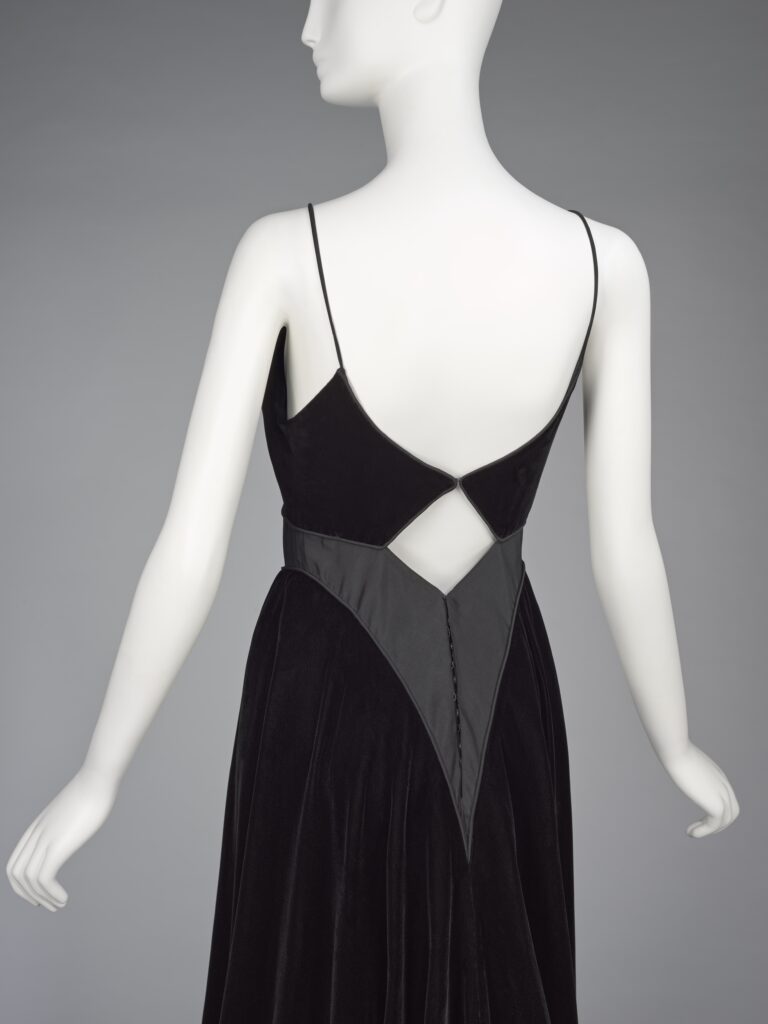
Hawes was a radical fashion designer who believed that industry elites shouldn’t dictate fashion. In the height of Parisian trends in America, Hawes became the first American courtier. Hawes wanted to create high-quality clothes for the lives of American women, rather than following European trends. Hawes was well known for her critiques of European trends, which can be seen in her first book, Fashion is Spinach.
Hawes’ fashion was not only focused on aesthetics but also on practicality and comfort. Her designs were made to be ready-to-wear for the average American woman. Hawes’ fashion is said to be ahead of her time as she forecasted fashion developments like gender-neutral clothing, paper clothing and mass manufacturing practices that would not be used until the 1960s. Hawes also advocated for democratic access to well-made clothing.
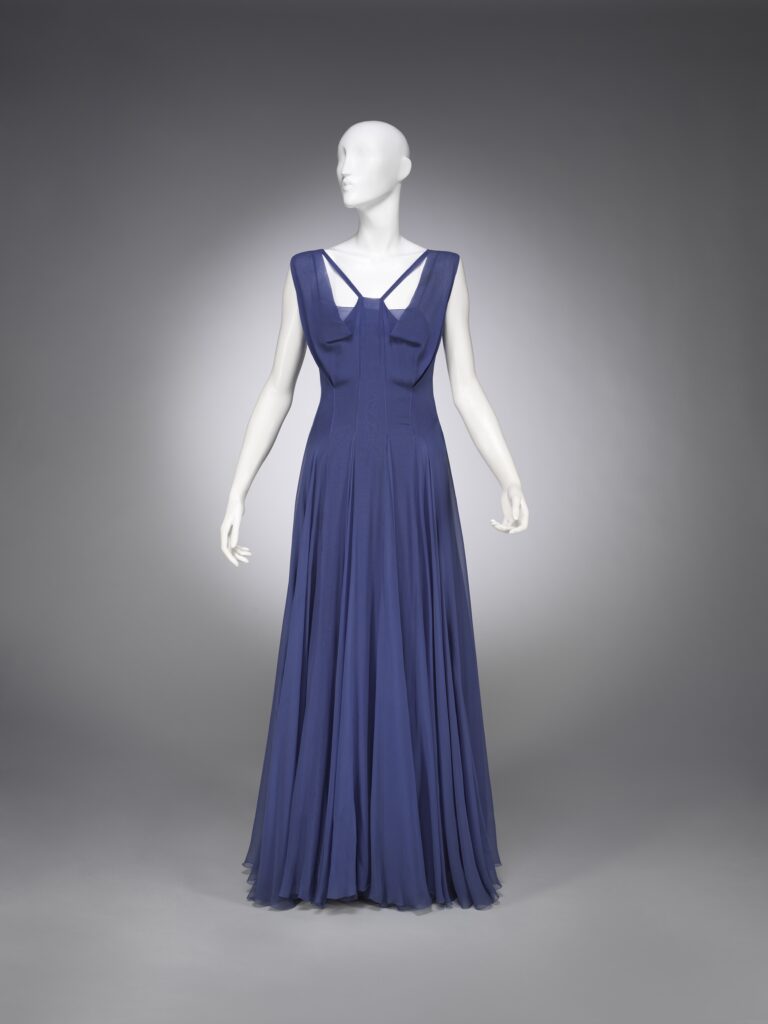
“The minute I saw that hundreds of women could have Hawes clothes, I wanted thousands to wear them,” Hawes wrote. An author and socio-political commentator, Hawes wrote nine books on fashion and its function in society. Hawes argued that fashion was a form of self-expression and that fashion should serve the wearer rather than restrict them.
“Elizabeth Hawes: Radical American Fashion” will be the first major museum presentation of Hawes’ work. This exhibit will show over 50 garments, accompanied by illustrations, sketches and the first publication devoted to Hawes’ career.
