

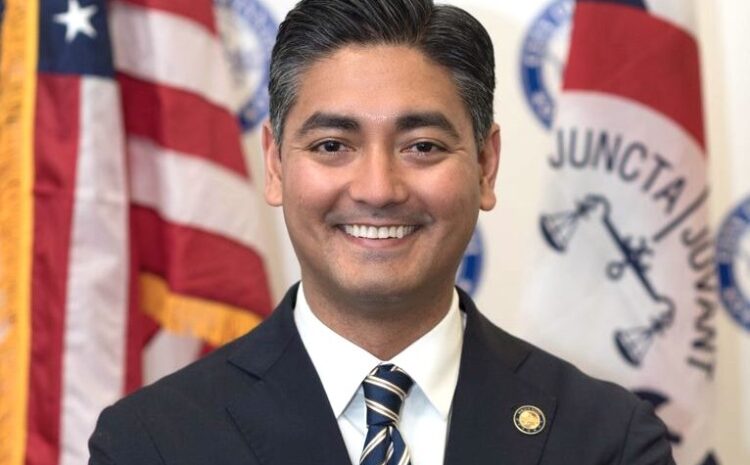
Mayor Pureval faces the best and worst of times
For Mayor Aftab Pureval, the future of Cincinnati reads like a Dickens’ novel, the best and worst of times—radical opposites taking place at the same time.
While the new administration of our 70th mayor faces unprecedented challenges, most of which stem from coming out of a pandemic, it has also been given the gift of unparalleled opportunities.
With the Bengals recent trip to the Super Bowl, civic pride is at an all-time high. Add that to the Cincinnati region’s strong business leadership and the strong ethic of a talented workforce, and it’s an equation that very tough to beat.
But any path forward is always fraught with pitfalls, even danger. So Cincy Magazine asked our new mayor about the challenges and opportunities that are ahead. We also asked business, community and academia leaders what they thought. Here is what they had to say:
Mayor Aftab Pureval
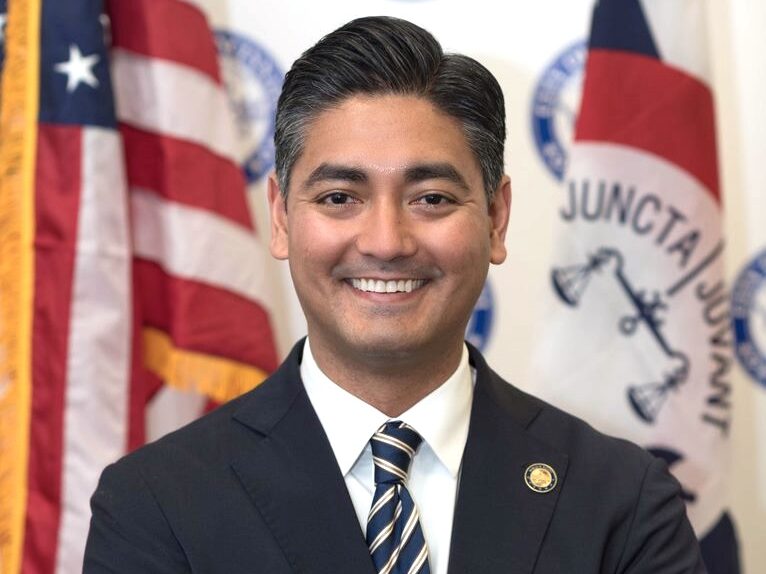
“We’re at a watershed moment in our city’s history. Not only has the pandemic rocked many of our residents to their core, but the changing dynamics of remote work have also created a serious challenge for our future. In order to get where we want to go in the next generation, we have to grow our city. We have to attract young, talented and diverse families, and we have to make sure businesses want to come here and stay here to grow with Cincinnati.
“However, with that challenge comes a golden opportunity to tell our story to the world, and to make the kinds of long-term decisions that will help create the walkable, affordable, diverse and vibrant neighborhoods we need in order to thrive. We all saw the effect of the Bengals’ historic playoff run, both internally and externally. The world’s eyes were on Cincinnati, and we worked collaboratively and effectively with private organizations to reshape our narrative. Here at home, residents came together with an unflappable pride and energy.
“Now is the time to capitalize on this momentum. We have to sell our strengths, but just as importantly, we have to continue our work to make Cincinnati a place where residents of all ages and backgrounds want to live, work and play. This work doesn’t finish overnight, but in collaboration with our incredible network of businesses and community organizations, we can and will grow our city with equity in the center of the frame.”
Jill P. Meyer
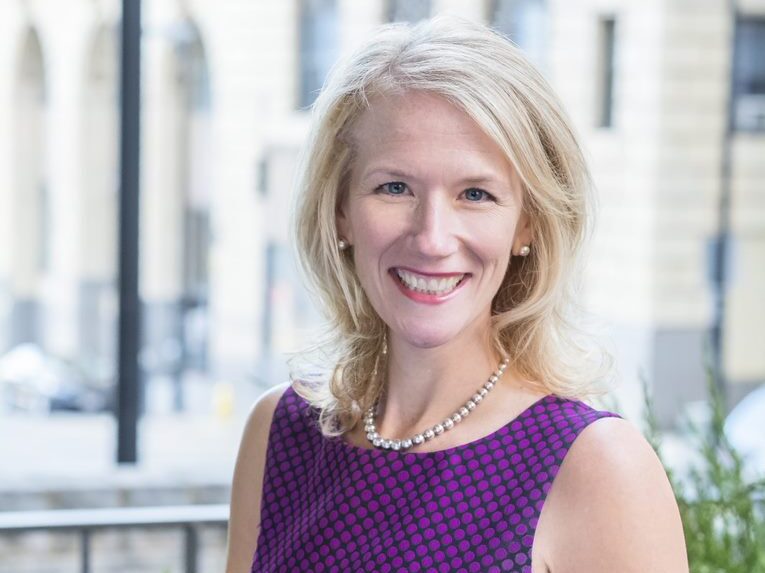
President & CEO, Cincinnati USA Regional Chamber
As president and CEO of the Cincinnati USA Regional Chamber, Jill Meyer heads up an organization that is dedicated to the development and promotion of economic development, talent initiatives and the other unique offerings of the entire Cincinnati region.
What are the biggest economic or business challenges Mayor Pureval will face in the coming year?
“Our region is still in a pandemic recovery. There are ample signs of economic recovery—job growth, low unemployment, rising wages and more. One of the reasons for this is because businesses are able to adapt to changing circumstances more quickly. City government will need to adapt, too, as the changing ways of work will impact tax revenues that provide for basic services in a city. We also will need to insist that the economic recovery be equitable and ensure that Black and Brown citizens find new opportunities and thrive in a post-pandemic economy. And of course, a city must remember the fundamentals: growth in population, consistent and effective basic services, safe and healthy neighborhoods, and an open-door strategy to woo new talent and businesses.”
How should the mayor address those challenges?
“Already, the mayor is leaning into this work effectively by partnering with business leaders from the chamber board and other organizations. He ‘gets it,’ and is listening to community leaders, using the mayor’s office strategically to put Cincinnati on the national and international stages, and is not afraid to set a bold agenda.”
What organizations might be of biggest help to Mayor Pureval?
“Clearly Cincinnati benefits from a robust business and civic community. Rather than listing organizations, the mayor is doing the right thing by finding leaders and organizations across the entire region who are willing to partner and who believe in a new vision of a future city. The chamber will be a partner in that work, and we will urge all of Cincinnati to roll up their sleeves and do the important work to grow our city.”
How can the chamber assist our new mayor in his mission?
“The mayor has explicitly stated, and I agree with him, that we must grow Black and Brown businesses in Cincinnati. We’re all in on that mission, and we have been for almost two decades. The chamber’s Minority Business Accelerator is leaning in here to grow large, scalable minority owned businesses in the region, and this work will continue. Our work in transportation and infrastructure, economic growth, housing and sound government management will continue to be front and center and we look forward to working with the city in their efforts on these fronts.”
Sean Comer
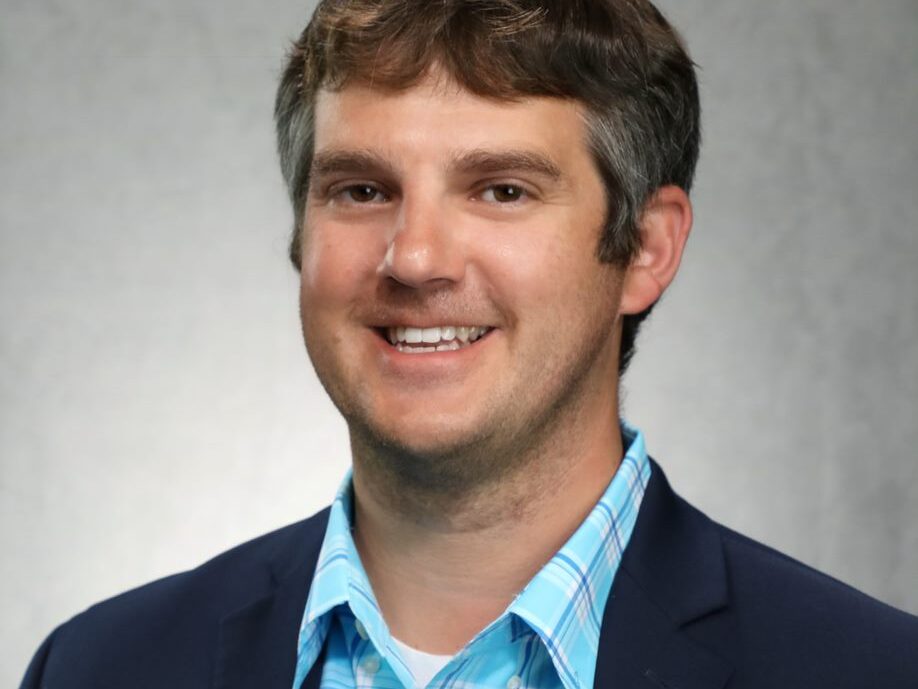
Government Relations Director, Xavier University
While heading up the government relations of the prestigious Xavier University, Sean Comer has ample experience in the private sector in marketing and promotions, public affairs, fundraising and political strategy.
What is the biggest challenge our new mayor will face?
“The first challenge our new mayor must face, especially if you are talking about any kind of economic resurgence, is the issue of talent. The challenge for any mayor, especially of a large city like Cincinnati, is growing the talent base.
“Coming out of COVID, where people can work anywhere is a huge opportunity. We need to attract more talented people to our community.”
What role will our business community play in helping him achieve his goals?
“That is an important question. A lot of our business leaders actually supported David Mann during the election. So the question then becomes, how do these leaders come together and create some sort of shared vision for our city? How will we work together over the next four to eight years? Actually, it’s more like eight years because every mayor in the history of our direct mayor voting system has served two terms—with the exception of Mayor Luken, who previously served multiple terms, but decided not to run in 2005.
Will there be any other issues the mayor must face?
“While I still think attracting and retaining talent is a No. 1 priority, you also have to look at the city budget, which is a bit of a mess. We have massive holes in our infrastructure that need to be addressed, which could run into the 100s or millions of dollars. So how do we do that? You’re either going to have to raise taxes or make cuts. While there may be federal funds available that will help projects like the Brent Spence Bridge, there are a lot of other things in the infrastructure that need to be looked at, and then you have things like Parks & Recreation, Fire Department and of course the Police Department, especially with the rise in crime.”
Mike Venerable
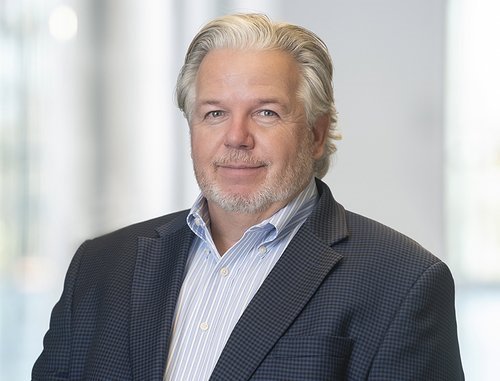
CEO & Managing Director, CincyTech
As CEO and managing director of CincyTech, Mike Venerable leads with experience from both sides of the table: as a software industry entrepreneur and executive and a seasoned investment and venture capital professional. In more than 15 years of investing, CincyTech is among the Midwest’s most active seed funds, creating jobs, economic vitality and bringing new technologies to Cincinnati and the world.
What are Mayor Pureval’s biggest economic or business challenges?
“The last two years have changed work and consumer habits in unprecedented ways. The economic impact on businesses that depended on workday populations and neighborhood activity are critical social infrastructure for any city. Having lived in much bigger, more congested cities, the livability of the city is a great attribute that benefits visitors and residents. Starting first with a focus on a shared strategy for bringing live, social vibrancy back to the city, broadly speaking, and enrolling all stakeholders in supporting these businesses, can raise our regional morale and connect people again. I think that reconnecting is a subtle but important foundation of building a positive, aspirational spirit in the region.”
How should he address those challenges?
“Well, any big city mayor has a long menu of challenges and opportunities. In this case there are policy levers to move to bring additional financial support to small businesses across the city, from downtown to neighborhoods. I was recently in San Francisco and was shocked by how empty the city remains today, and the reduced scale of neighborhood business districts that feel less than half as active and vibrant as in the past. From the Financial District through so many neighborhoods, there is just so much missing. The scale is challenging. Here our scale is manageable. It is digestible. Beyond policy, the mayor can be a megaphone to call the region to action to reactivate the city and its neighborhoods. I don’t live in the city, but I spend most of my working life there. I know how it has changed since I first came back downtown in 2007. We cannot let all of the progress slip away, and it should matter to people who live outside the city as much as inside. Great regions need a strong anchor city.”
What organizations might be of biggest help to Mayor Pureval in helping him achieve his administration’s goals?
“The pandemic created the Restart Initiative in the city to address the challenges of the pandemic across many aspects of regional life. Witnessing and participating in some of that work was revealing and gratifying. The commitment by community leaders across domains led to many actions that saved lives, reduced disease and likely saved many businesses and jobs. That infrastructure exists, embedded in the Chamber, REDI, CBC, nonprofits, education, among others. That infrastructure can drive messaging and action when there is clarity of need and urgency. Despite what often seem like wide gaps in opinion, I think RESTART showed it was better to start working on a problem collaboratively while still maybe arguing about the ideal solution. We need the network to spread the message, amplify important priorities.”
How can CincyTech assist our new mayor in his mission?
“Working with startups is a long game, it takes years to see the impact, but the impact can be transformational. We saw more outside venture capital flow into our community in the last 12 months than ever before, about $1 billion of outsiders betting on startups in our region. So the most important thing that we can do at CincyTech is keep leveraging the great entrepreneurial and innovation assets in our community to build and scale new businesses.
“But in doing so I think we also have a perspective on the entire capital ecosystem and the great need for not only more venture capital, but capital in other areas for potential growth. We have great operating businesses that need growth capital. We have first-time entrepreneurs who don’t fit the venture capital model, but where microlending and patient capital could transform lives and neighborhoods.
“It was more than 15 years ago that our founding institutions—University of Cincinnati, Children’s Hospital and the Chamber—made a commitment to start CincyTech down this path. So that example of seeding organizations with a long view towards their strategic purpose in the community is an example for others to make similar long-term investments in enabling infrastructure.”
Michael Jones, Ph.D
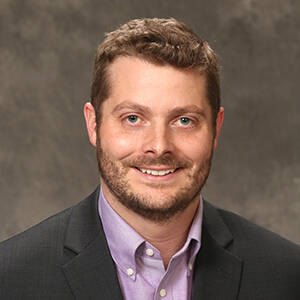
Academic Director, MS in Applied Economics; Academic Director, Kautz-Uible Economics Institute; Kautz-Uible Professor of Economics, University of Cincinnati
In addition to the extensive accreditations outlined above, Professor Jones has been an economics professor at the University of Cincinnati for nearly a decade. During that time, he has also published extensive research on regional economics
What are the biggest economic or business challenges Mayor Pureval will face?
“The biggest economic challenge for the city in the coming year is the anticipated decline in income tax collections from remote workers. Individuals who worked at home in 2021 can file for a tax refund from Cincinnati for those days when they did not work in the office. The exact loss is still unknown because some workers may not file for a refund and many workers have returned to the office. But with 75% of the city’s workers living outside the border of the city, the tax revenue loss is likely to be in the tens of millions of dollars.
“Compounding the income tax loss is the difficulty that the city faces in hiring and retaining qualified workers. In what economists are now calling The Great Resignation, the city administration must pay higher wages to compete with the private sector. With rising personnel costs and falling income tax collections, the incoming mayor has his work cut out for him.”
How should he address those challenges?
“Cincinnati’s tax revenue is too dependent on income taxes to fund city services. Nearly 80% of the city’s ‘own-source’ tax collections come from income taxes. Property taxes, fees and other income only represent a small fraction of revenue for the city. The mayor, in collaboration with City Council, should develop a plan to diversity its income sources.
“With fewer people in the city using services, the mayor also has an opportunity to cut costs and better align the city’s expenses with the revenue coming in.”
What organizations might be of biggest help to Mayor Pureval in helping him achieve his administration’s goals?
“While identifying ways to cut costs is an important short-term step that Mayor Pureval can take, it’s difficult to cut your way to growth. Intel’s recent announcement of a new $20 billion semiconductor manufacturing plant near Columbus demonstrates the importance of economic partnerships to attract companies to our region. By continuing to aggressively work with the state’s economic development group, JobsOhio, and its regional partner, REDI Cincinnati, Cincinnati can continue to grow its labor force.”
How can the University of Cincinnati assist our new mayor in his mission?
“Making Cincinnati a destination for corporate investment requires a highly skilled workforce. The University of Cincinnati is the largest educational institution in the region. The University is working with local high schools to develop a pipeline to keep and develop workforce talent in our region. And as part of the Cincinnati Innovation District, the university is committing to graduate 15,000 STEM (Science, Technology, Engineering, and Math) students and generate $2 billion of research. These efforts will lead to thousands of more jobs and billions of dollars in new payroll to help address the decline in income tax collections.”
