

Guide to Wealth Management: Wealth advisers provide tips for investing in the current market
From the pandemic to inflation, the economy and interest rates, investors have experienced unprecedented challenges over the past few years. We spoke with several experts in the wealth management industry who shared insight on what’s ahead for the future.
Jason M. Katz, CPA, CFP, CEPA, wealth adviser and principal at Bartlett Wealth Management, says the biggest things on investors’ minds continue to be inflation and interest rates.
“The rate of inflation throughout 2022 and 2023 has been quite elevated, which means that prices of many goods and services have increased at a higher rate than we have experienced in the past. If left unchecked, this could lead to lower consumption rates and ultimately an economy in recession,” Katz says.

“To combat inflation, the Federal Reserve has embarked on their most aggressive plan to raise short-term interest rates and perform other tightening measures,” he says. “This dramatic rise in interest rates, along with many other factors including geopolitical unrest, led to a very difficult 2022 in both the stock and bond markets. A lot of investors have seen a large drop in their account balances and their overall ability to handle the risk of the markets has certainly been tested.”
In 2023, we have seen the rate of inflation, measured by the Consumer Price Index (CPI) peak and start to move down, Katz explains. This means that we are still in times of elevated inflation, but the rate is starting to decline.
“This is welcome news for consumers and investors, as the Federal Reserve may not have to raise interest rates much more to achieve their goals of curbing inflation. The big concern continues to be whether our economy will dip into recession and how deep that recession will be. The equity markets have started off the year in positive territory, but we do not focus too much on such short time periods, as they are unpredictable,” he says.
John VanWeelden, MBA, CAP, AIF, president, VanWeelden Financial Group, says there are several factors to keep in mind when it comes to being prepared for the future.
“Inflation is obvious because it directly impacts how much cash flow you’ll need to maintain your standard of living,” he says.
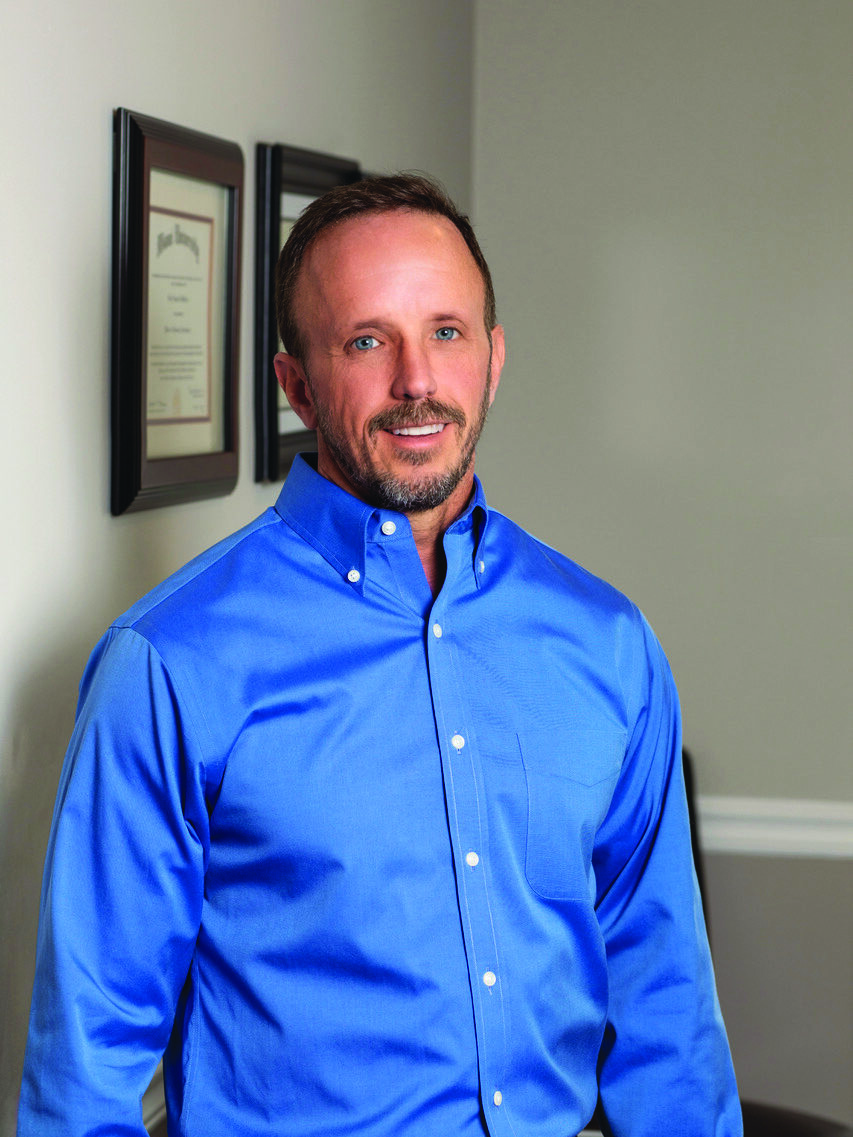
“Taxes are important because without proper planning, they will likely be your single biggest expense in retirement. But most retirees have no lifetime tax mitigation plan in place. Most accountants are focused on minimizing taxes in the near-term, and most financial advisers don’t engage in serious, long-term tax planning. So, since tax-deferred retirement accounts are among retirees’ largest assets, it’s critical to take full and immediate advantage of the first few years of retirement to execute some very impactful tax mitigation strategies that will greatly reduce your long-term tax burden,” says VanWeelden.
Aside from taxes, health care costs may well pose the biggest potential risk to retirement success. Therefore, navigating Medicare and understanding the possibility and potential costs of requiring home health care, assisted living or nursing home care later in life are also important issues to consider, according to VanWeelden.
“Lastly, market volatility will wreak havoc on your retirement if left unchecked. Most advisers suggest you should ignore volatility and let the market ‘do its thing.’ ‘In the long run,’ they say, ‘it will come back, and it will all work out.’ But recent history suggests that’s just not true. Managing volatility is actually the No. 1 determining factor in retirement success. Focusing on rates of return, on the other hand, which is what most people do, is not actually a meaningful predictor of success at all,” he says.
When it comes to advice he would offer to readers, VanWeelden says, “Determine how much risk you need to take to achieve all your long-term investment goals. Then, take no more. Period. Do not listen to the industry talking heads that tell you to ignore volatility and just ride out market turbulence. The math is clear. Avoiding volatility is a much better indicator of long-term investment success than simply chasing a higher return.”
