

With COVID-19 canceling or delaying events in 2020, two local firms say they’ve been super busy this year
The COVID-19 pandemic affected all workers in different ways, but among those totally shut down in early 2020 were event planners.
Even now, they are navigating the constantly changing COVID-19 conditions, but 2021 is much better.
“The week that everything started shutting down, we were in Florida doing a site visit,” Dora Manuel, owner/event designer of Viva Bella Events in Oakley, says of the mid-March 2020 time frame. “We actually had a wedding that Saturday, and we were talking to the client, trying to figure out if they were going to cancel. Even the day before, they were trying to figure out who was coming.”
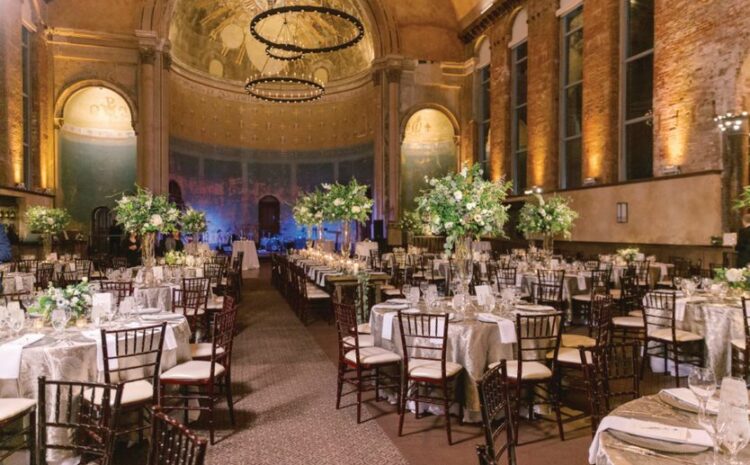
The downtown Cincinnati wedding went on as scheduled and was her last live event of 2020. Viva Bella plans 20 to 25 events a year, typically for 100 to 5,000 people.
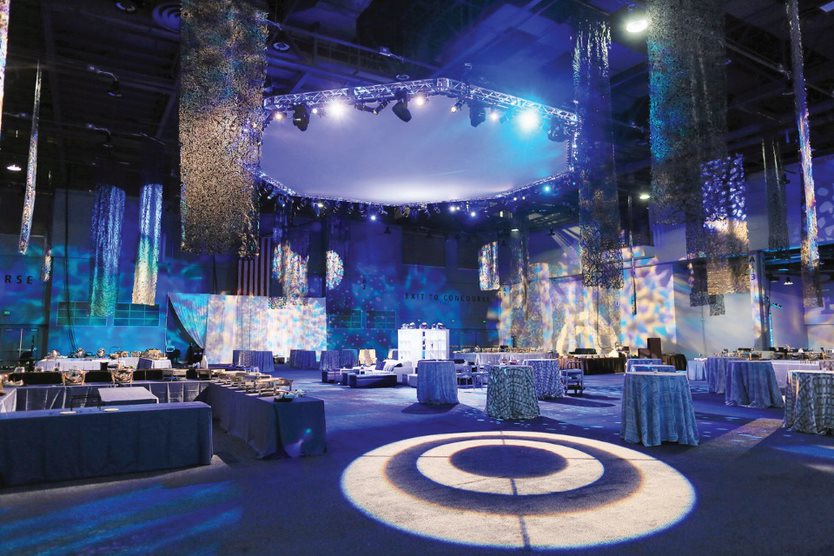
Manuel says corporate clients began migrating to online/virtual events for the meetings/conferences that her company plans and oversees. As a result, hybrid events—in-person and online combined—are now popular.
“We did several other events virtually last year, just to keep us afloat,” she says—including the Procter & Gamble Signal Conference. She said by going virtual, the conference had more people attend than if it had been in person, about 3,000 vs. maybe 600 to 700.
Manuel, who started the firm in 2006, says things have been crazy this year. The pent-up demand for events, along with the release of COVID-19 vaccines in December, have driven a breakneck amount of work, beginning in spring/summer.
“Last year, there was no travel, no working on weekends,” Manuel says. That hurt for those who thrive on pulling off other people’s dreams.
“This year has been almost painful in a different way. It has been madness.”
Stephanie Porter, owner/senior lead planner of Cincy Event Planning in Amelia, says the early months of the pandemic required constant adjustment: “We had to move all spring weddings to summer, then some pushed to the fall, and some to the next year, and some canceled. It was a mad dash.”
She says, “One couple had a private elopement so they could get married on their date, then celebrated with everyone this year.” The couple had only a photographer, the officiant and a member of Cincy Event Planning’s staff at the ceremony.
“It’s stressful, and I feel so bad for the clients and parents” of young couples getting married, she says.
Porter in 2015 took ownership of the firm, which annually plans about 15 events, mostly weddings, for 80 to 400 guests.
Both Porter and Manuel expect COVID-19 to permanently change some things.
“The small weddings, for some people, are going to stick,” Porter says. “Last year and this year were an excuse to do what they always wanted to do—that small, more intimate, elopement kind of wedding.”
Manuel says, “Hybrid events are here to stay. You can broaden your audience. You can eliminate the cost of travel. You can get speakers who don’t want to travel.”
The kickup of the COVID delta variant in the past couple of months has caused a rethinking of safety protocols for some events, but the industry continues to thrive.
“There is a wedding boom coming for 2022,” Porter says. “We’ve already booked 50% of what we usually book for the year.”
Manuel says people have an innate need to gather. “People still long for people to celebrate with them.”
She has a client scheduled for a wedding in November. “The whole family will be in quarantine for two weeks in Florida. They are not giving up their event.”
