

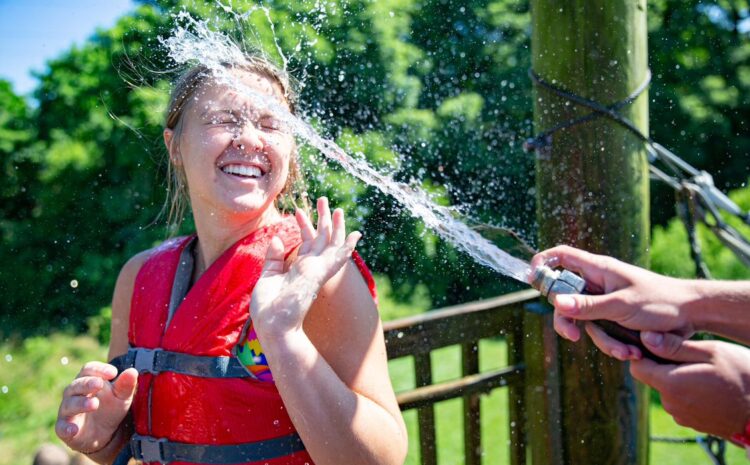
Camp Ernst hosting both overnight and day camps to keep kids active this summer
Summer camp is back.
After a couple of years of social distancing, home schooling, masking and isolating, kids—and their parents—are ready to get out again.
That’s the word from Camp Ernst, the venerable Boone County summer camp of the YMCA of Greater Cincinnati, where registrations for the summer are off the charts.
Due to COVID-19 precautions and restrictions, the summer of 2019 was the last season the camp operated at full capacity. By February of that pre-pandemic year, the camp had logged about 900 registrations for its summer programs, says Eli Cochran, executive director of the YMCA of Greater Cincinnati.
Camp Ernst is back to full capacity this year, and at the same point in the registration cycle, has signed up about 1,500 campers.
“We’re well ahead of where we were compared to our biggest-summer-ever pace,” Cochran says. “Kids want to go to camp.”
Located outside of Burlington, Kentucky, in southern Boone County, Camp Ernst has hosted summer camps for many decades. It hosts week-long overnight camps for kids ages 6 through 15, who stay in cabins or in the lodge and can enjoy more than 350 acres of forests, fields and trails, and cool off in a 26-acre spring-fed lake.
The camp also boasts two swimming pools, a waterslide, a zip line, a horse ranch and other outdoor activities. With the pandemic disrupting life for families, and especially for children, there’s been pent-up demand for these activities, and the camp plans to return to its full capacity this summer.
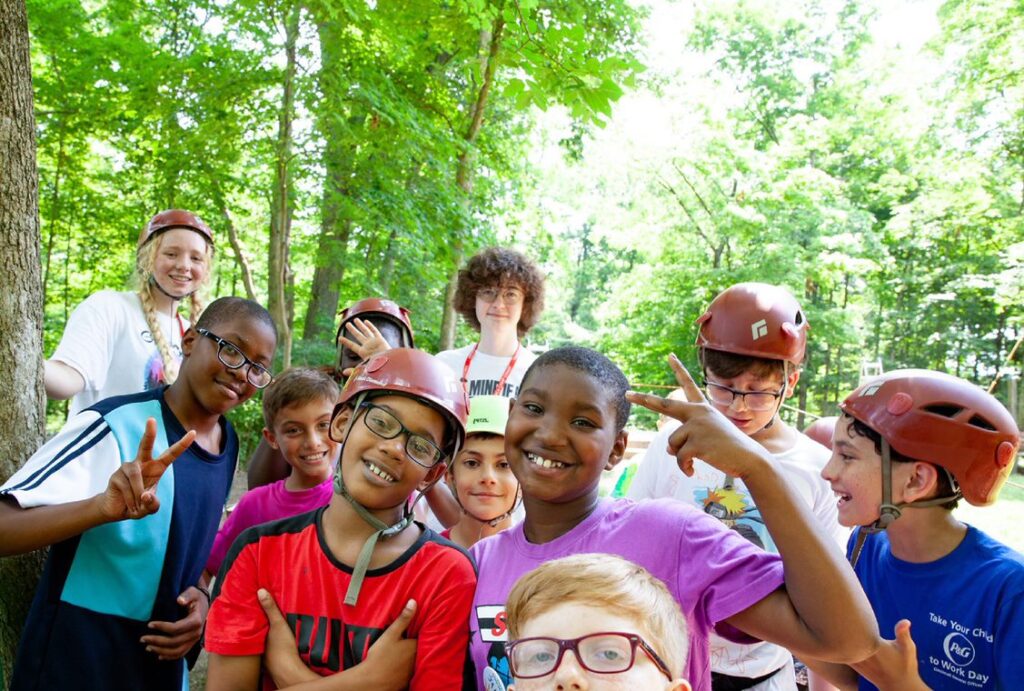
“Even though we had camp in 2021, there was still some hesitancy of course, and our enrollment was capped,” Cochran says. “So I think there’s a stronger demand, especially in the younger ages, because the kids missed the opportunity of starting camp for the last two summers.”
In addition to overnight camps, Camp Ernst also hosts day camps, which are programs that grew out of the Y’s response to the COVID-19 pandemic.
The Boone County facility had not hosted day camps since the ‘90s, opting to leave those to its neighborhood branches around the region. But when the virus emerged in 2020 and showed no signs of abating, overnight camps that year were cancelled. But families were coping with home schooling and work-from-home arrangements, so the decision was made to bring back day camps at Camp Ernst, at a reduced capacity. About 100 kids a week attended day camps that summer, Cochran says.
Last summer, the Y re-opened overnight camping at Camp Ernst, and continued operating the day camps, at slightly reduced capacities. This year, overnight and day camps will be back at full strength, and about 4,500 campers are expected throughout the summer at Camp Ernst.
After two years of negotiating the pandemic, families are ready for a little normalcy, Cochran says.
“I think parents remember the summers of their childhood, and want to make sure that their kids, who have missed two years of regular development, can experience that social and emotional learning that comes from the independence created in a camp environment,” she says. “And let’s be honest, parents need a break, too.”
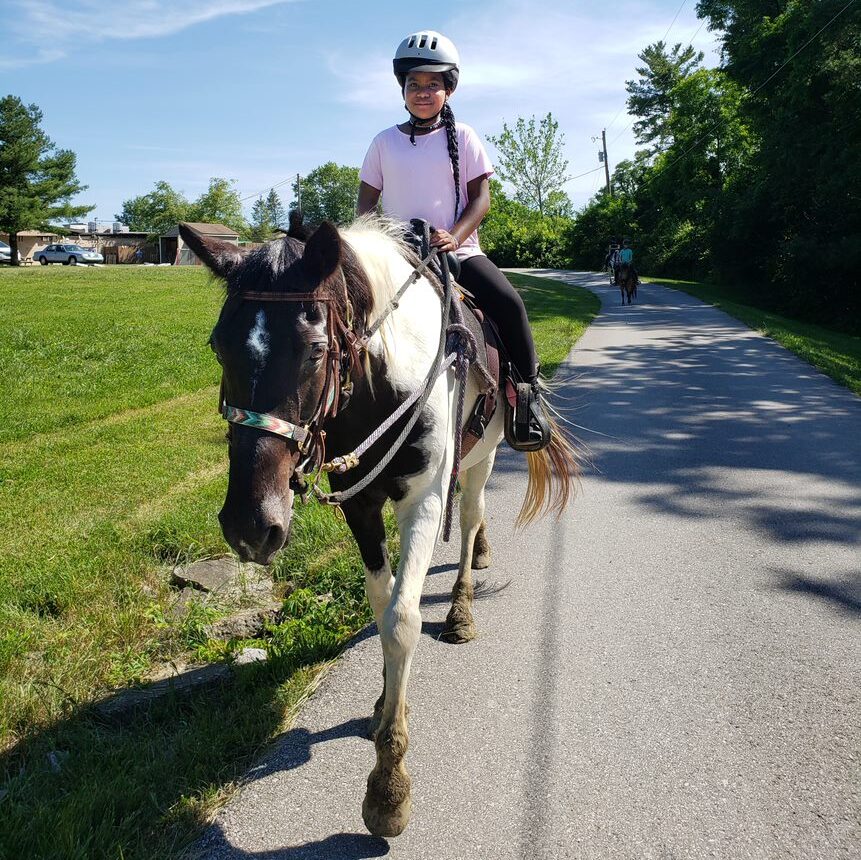
At Camp Ernst’s traditional one-week overnight camp, youth ranging in age from 6 to 15 arrive on a Sunday and stay six nights, departing the following Saturday morning. The camp also offers specialty camps throughout the summer. Its Rockin’ E Ranch is equipped with a barn, two riding arenas, about 30 horses and miles of trails for learning horsemanship.
“We teach kids how to ride horses, how to take care of horses, they go on trail rides and have riding lessons,” Cochran says.
It also offers a Leaders in Training week-long camp designed for students in grades eight through 10. In addition to traditional camp activities, the program provides campers with rotating leadership opportunities to foster team building and communication.
YMCA leaders haven’t yet decided their stance on masks for campers. Last summer, they practiced limited masking when large groups of people gathered and when smaller groups gathered indoors. Camp Ernst employs nurses and a camp physician. “They have worked together with a medical advisory committee to help me figure out the best way to operate camp in a pandemic,” Cochran says.
The Y is using the recommendations of the Centers for Disease Control and Prevention, the American Camp Association and the Association of Camp Nursing in creating its policies and guidelines for safe camping, Cochran says. With most activities taking place outdoors, fresh air will help keep campers protected, as will frequent reminders about hand washing, Cochran says.
“We’re not expecting to require vaccinations,” she says. “Although our camp health staff encourages all who are eligible to get vaccinated.”
YMCA day camps will have an adventure theme this year at Camp Ernst and at the neighborhood branches. Camp registration at the branches started in March, a bit later than at Camp Ernst. Because Camp Ernst is solely a camping facility, it starts registrations earlier than the branches do.
Camp Ernst dates its founding to 1928, when Willard Wade, a leader of the Covington YMCA, took a group of kids from Covington camping in Boone County. That sparked the idea of a rural outdoor camp program. YMCA leaders settled on the property in Burlington in 1930, thanks to a donation of land from Richard Ernst. Ernst was a lawyer, Covington YMCA president, Covington city commissioner, and was elected to one term in the United States Senate in 1920.
“The Wade and Ernst families are still involved, and still supporting the great mission of helping kids grow in spirit, mind, body and friendship at camp,” Cochran says.
The YMCA offers financial assistance to families who otherwise couldn’t afford camp, and an application is available on its website at myycamp.org.
