


Women across the region benefit from the latest advances in health care
When it comes to women’s health care, the Greater Cincinnati region offers some of the top experts, treatments and innovations. We spoke with a few of the area’s leading medical professionals who offered valuable insight on what’s available for women.
Dr. Louito Edje, a family medicine physician and associate dean at the University of Cincinnati College of Medicine, shared with us the benefits of having a primary care physician, women’s health care needs and the importance of regular screenings.
CM: What are some common things you see in women’s health?
LE: Often, I see women setting aside some of their preventive care so they can juggle their responsibilities. That can mean eating what is convenient rather than what is healthy. Doing what is convenient can also mean skipping exercise. Exercise and movement for 150 minutes of aerobic exercise per week is an important tool in our prevention toolbox.
CM: What are some of the biggest things people should know about women’s health?
LE: Prevention can change the trajectory of one’s health in significant ways. As an example, in most cases, it takes about 10 years for a colon polyp to grow into a colon cancer. Therefore, there is a window of 10 years when a patient can take advantage of screening for polyps. As result, colon cancer should be completely preventable.
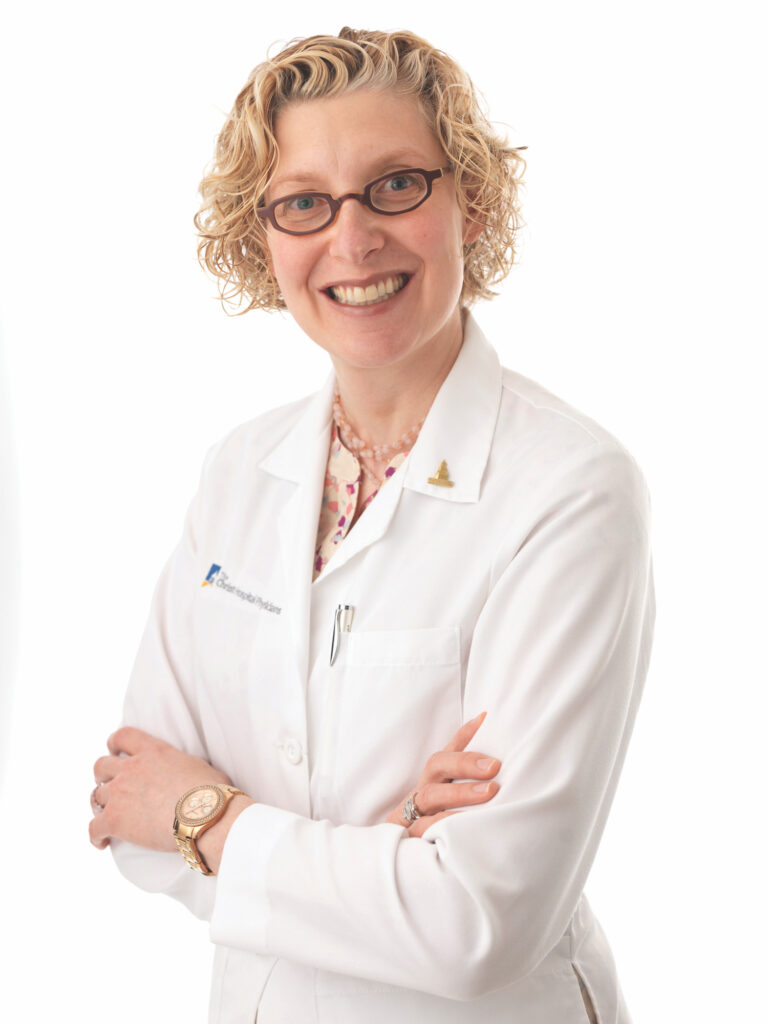
In other health care advances for women in the Cincinnati region, The Christ Hospital Health Network is the first in Ohio to use new groundbreaking technology for breast cancer surgery. The MOLLI device precisely marks where a tumor is located prior to breast cancer surgery, helping the surgeon remove tumors more efficiently and improving the patient’s overall experience.
“Women undergo a lumpectomy or breast conservation a majority of the time with a new diagnosis of breast cancer. Often, though, the area is so small that you can’t feel it and, in some cases, it’s so small that you can’t even find it on an ultrasound. The radiologist is very helpful in identifying and localizing the area of disease within the breast for the surgeon, and classically, this has been done with the placement of a needle or a wire into the breast, prior to surgery. It’s usually done within a couple of hours prior to the surgery itself. This technology is a small magnet that’s placed into the breast on a day, or two or three prior to surgery, which allows the patient to undergo surgery first thing in the morning, and not require an additional procedure on the day of surgery, which could delay the start time of the case,” says Dr. Jennifer Manders, surgical oncologist at The Christ Hospital Health Network.
Mercy Health’s pelvic therapy program helps identify and treat common pelvic health problems, such as pelvic floor dysfunction. Common issues can include pelvic pain, pelvic organ prolapse and a lack of bladder or bowel control. Pelvic floor therapy can help patients manage symptoms so they can get back to their daily routines.
Samantha Koewler, pelvic physical therapist at Mercy Health, says she’s motivated to spread awareness about pelvic floor health by generations of women who have struggled with issues such as urinary incontinence. Incontinence can impact women, from high schoolers involved in sports to women in their 80s and 90s. One in every four women suffer from a pelvic floor disorder.
“I think it’s important to highlight prevention for women’s health in regard to our pelvic floors, just like we do for heart disease and diabetes,” Koewler says.
