

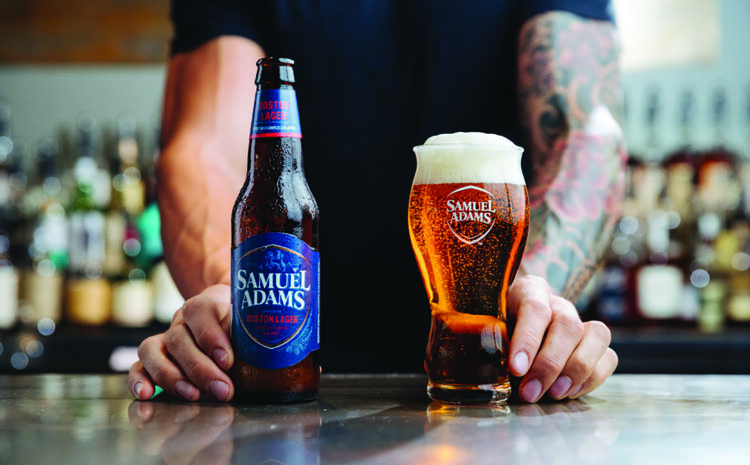
Cincinnati-born billionaire Jim Koch discusses his roots, his business and what’s next
Jim Koch, billionaire brewer and founder of Boston Beer Company, is a Cincinnati kid at heart.
Before he attended Harvard, started Boston Beer in 1984, created brands such as Angry Orchard, Twisted Tea and Truly, became a billionaire and was considered a founding father of the American craft brewing movement, Koch was a kid running around Mount Lookout.
He grew up in the neighborhood, where he bought beer “illegally” at Mount Lookout Tavern—which is still one of his favorite spots in the city—and saw his first movie at the former Mount Lookout Theater, now The Redmoor Event House.
His mother was a schoolteacher and his dad a fifth-generation brewer who apprenticed at the Hudepohl Brewing Company in the ‘40s as part of a co-op program with the University of Cincinnati.
Fifty years later, Koch purchased that same brewery in 1997—which was known as the Hudepohl-Schoenling Brewery after a merger in 1986—as the new home for a Samuel Adams production brewery.
One of the major reasons for this was the Cincinnati workforce, Koch says. “Maybe people from Cincinnati don’t fully understand it, but Cincinnati has a long tradition of craftmanship,” Koch adds. “You buy a brewery, but you’re really buying the heart and soul of the people who were making the beer.”
Another reason was to continue the brewery traditions of Cincinnati. Koch mentions that growing up, there were five breweries on the market in the area: Burger Brewing Company, Bavarian Brewing Company, Wiedemann’s Brewery, Hudepohl and Schoenling. By buying the Hudepohl-Schoenling space, Koch was able to continue part of the Cincinnati brewing legacy and also add his own mark.
When Koch first bought the brewery in 1997, his father walked through the space with him. “I came back as the owner,” Koch says. “It’s sort of being the butler’s son and coming back and buying the mansion.”
Buy the mansion he did. Since 1984, Boston Beer Company has evolved from making Samuel Adams beer, to expanding to hard cider with Angry Orchard, alcoholic tea with Twisted Tea, seltzers like Truly and a variety of other brands and products. While it is headquartered in Boston, the company has a major presence in Cincinnati with the Samuel Adams Production Brewery and Samuel Adams Cincinnati Taproom in Over-the-Rhine near Findlay Market.
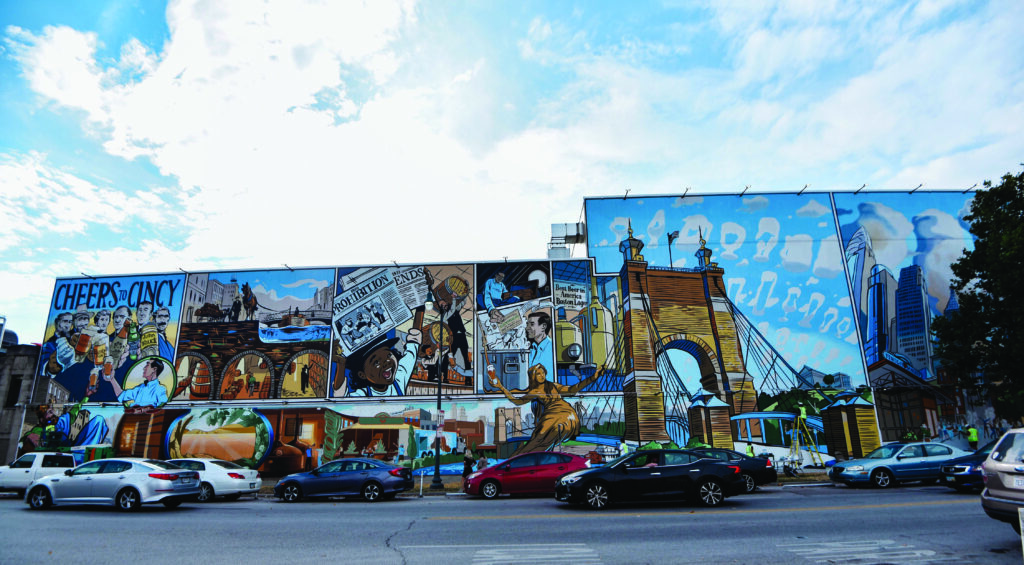
As part of Cincinnati brewing history, Koch returns to the Queen City each year to tap the first keg for Oktoberfest Zinzinnati, and one could argue that the Samuel Adams brand and festival sponsorship is a major reason why the festival has become so popular. He sees it differently, though.
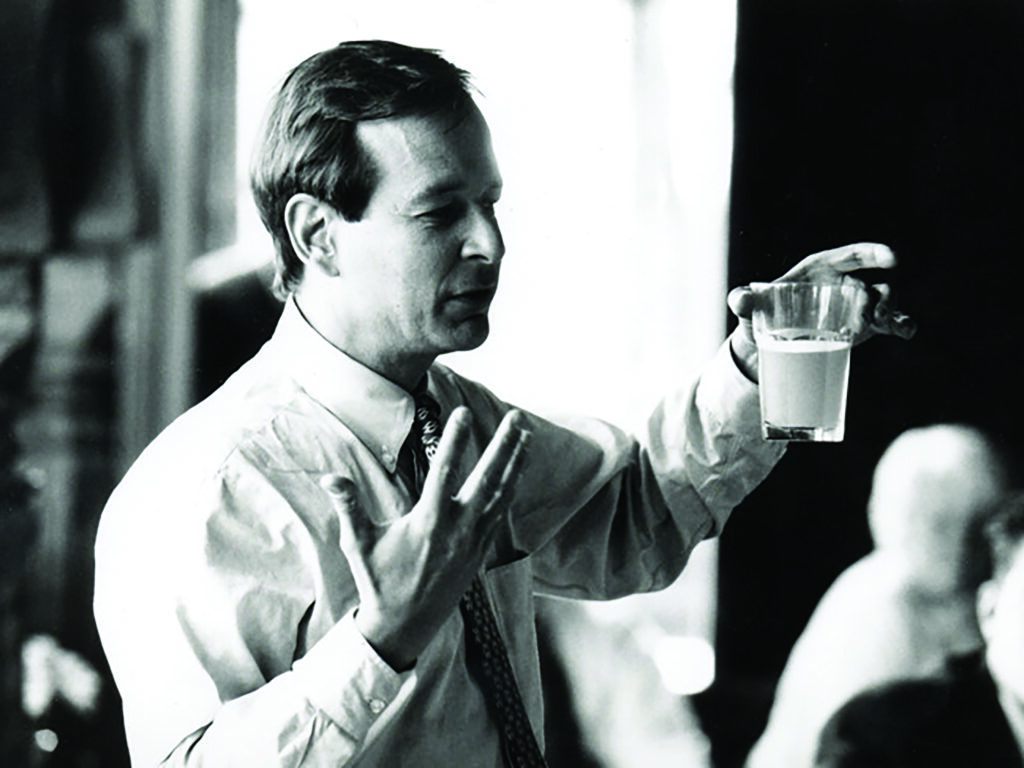
“Everybody in Cincinnati should be very proud of that event,” he says. “That’s an all-volunteer event with half a million people showing up. I’m happy to be there and be a participant, but I’m well aware of how much work, planning and effort that takes, and I just show up and tap a keg.”
Despite being worth $1.3 billion, Koch has managed to keep an air of normalcy about him. He is known to attend company events—in Cincinnati, Boston and the like—and walk around on his own to talk to anyone who comes up to him, whether that be the higher up employees, brewers or family members of workers. He explains how he has been able to keep this normalcy.
“The beer business does not allow for arrogance,” he says. “When I started the business, I went bar to bar with cold beer. And I did that for the first 35 years. If you’re going into a bar to sell beer, to get a draft line, a promotion or something, you can’t be arrogant. You’re asking for something from them, and so that keeps you very humble.”
Last year marked the 40th year of the Boston Beer Company, and Koch doesn’t plan on changing his game plan much. “We’ve ended up where we are as one of the leaders of craft brewing by continuing to change and develop,” he says. “We were one of the first craft brewers when I started. As somebody who’s been here since its creation, I have a different view of the current state of craft beer.
“There’s a lot of angst that craft breweries are closing, the market is saturated, people are wondering what’s going to happen next,” he continues. “I’m like, ‘Hey guys, this is what we dreamt in our wildest dreams could possibly happen.’ That we would have 10,000 breweries in the United States. That we would have the best beer and brewing culture in the world. That we would be teaching the rest of the world how to make great beer. And that we would be a powerful and significant part of the brewing and even the cultural landscape in the United States.
“Well, that was our wildest dream, and we made it happen.”
He adds that the craft beer industry is not going away. “Yes, it’s become successful and mature,” he says. “And it might not grow every year, it might not even grow in the next 10 years. Who knows? You’ve got to just keep getting better. You can’t rest on your laurels. You’ve got to keep pushing, creating, innovating. It’s always been that. This didn’t just happen because God smiled on us and wanted us to be successful. People worked their asses off and innovated and scraped and tried to keep everything together in hard times.”
Koch mentions he recently gave a talk at the Great American Beer Festival, saying that what the brewers are seeing today is “success.”
“This is what being wildly successful looks like,” he says. “Start with celebration.”
