
OKI coordinates, cooperates and communicates with its local partners
When OKI CEO Mark Policinski was initially recruited by the organization more than 20 years ago, he decided to perform a little due diligence.
“They were after me pretty heavily, but I had never really heard of OKI,” recalls Policinski. “So, I called them up to see if they could tell me a little bit about the organization. The person from OKI, who didn’t know I was considering a position, said, ‘We’re really a pretty quiet organization, and that’s the way we like it.’”
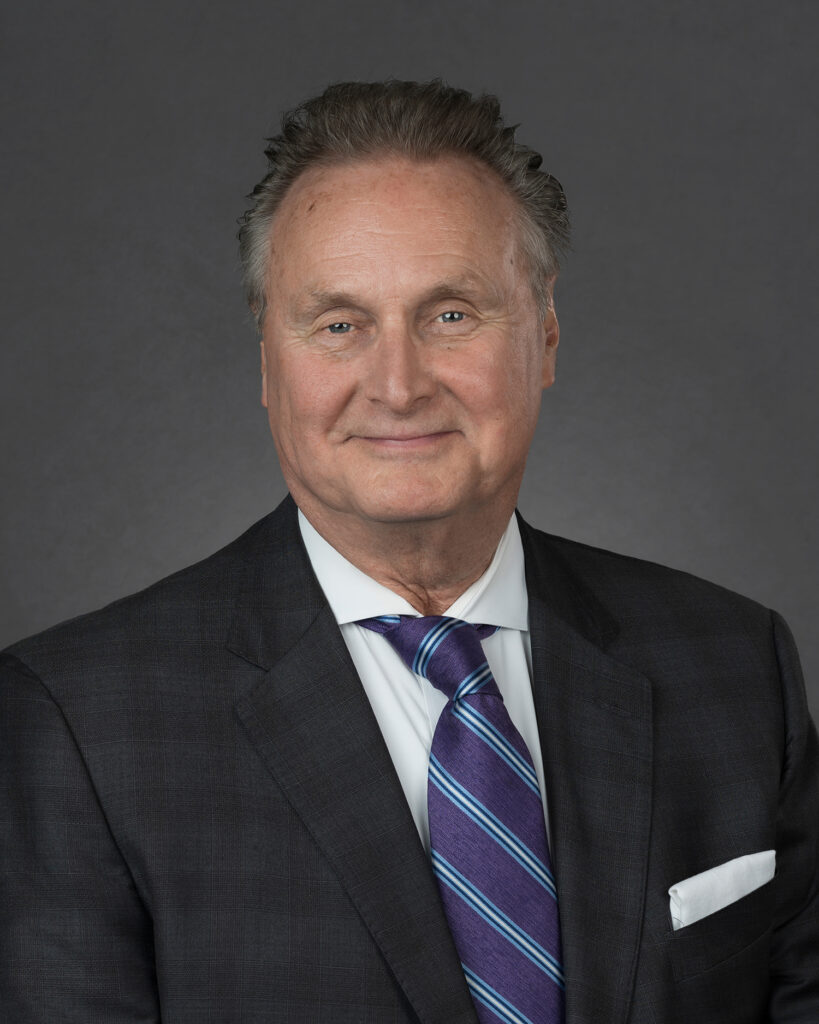
Policinski decided to accept the job … for two years. Twenty-one years later, he is still on the job and going strong.
Founded in 1964, the Ohio-Kentucky-Indiana Regional Council of Governments (OKI) is the Metropolitan Planning Organization (MPO) for the region, coordinating, cooperating and communicating with local governments, businesses, community groups and the greater public to create efficient, multimodal transportation systems and improve the economic vitality of the area.
While OKI is celebrating its 6oth anniversary this year, it may just be the Tristate’s best kept secret.
“We are well known to anybody and everybody in the transportation business, as well as to industry or local governments,” says Policinski. “But the average person might not know who we are—which is understandable.”
But OKI is an organization with immense power, reach and impact on our everyday lives.
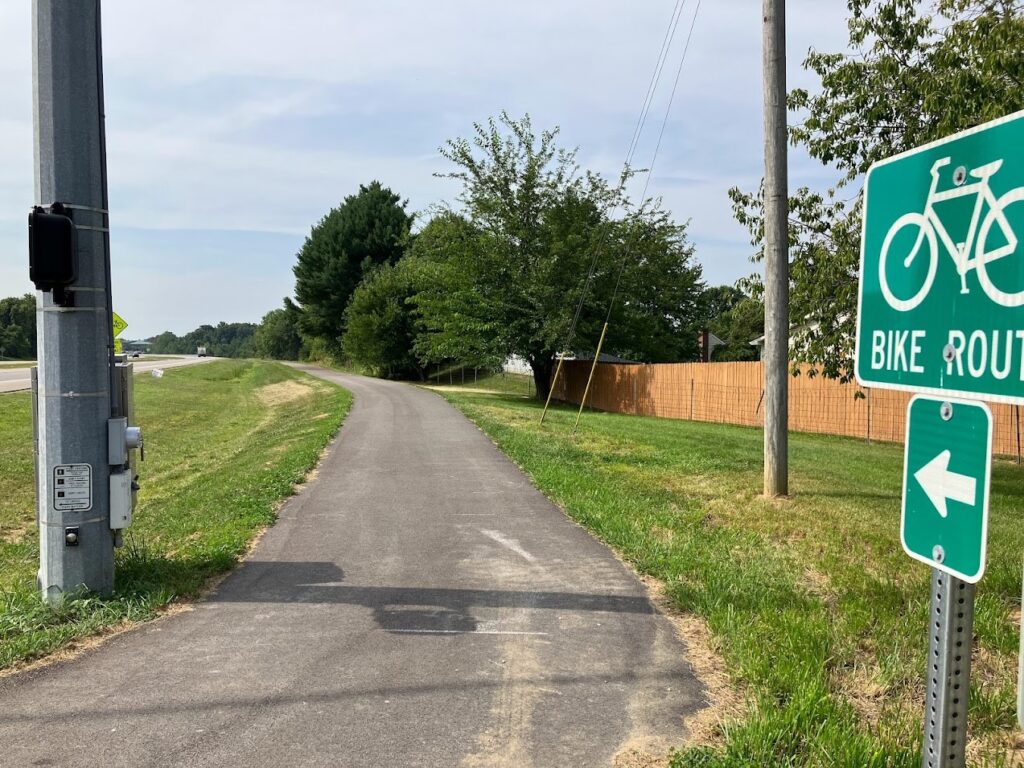
“Every surface transportation project from a small bike path in Newtown to the Brent Spence Bridge Corridor project with a penny of federal money in it has to be approved by OKI,” says Policinski. “The Brent Spence Bridge project has raised our profile quite a bit. But we still need to tell people what we do, and even more importantly how we do it.”
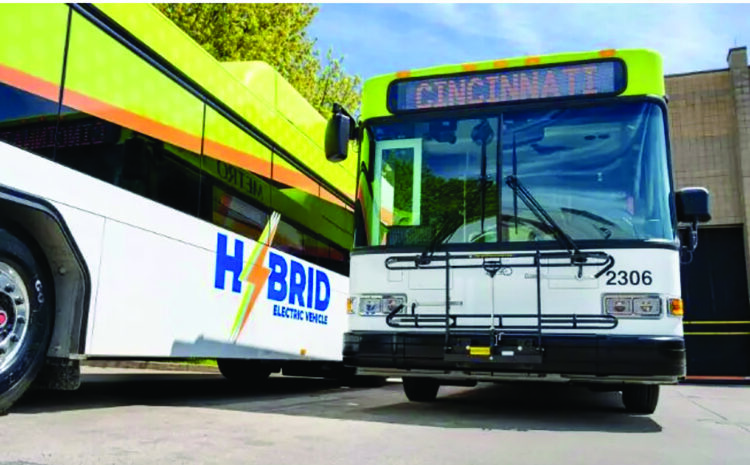
From funding roads and roundabouts, buses and bridges, traffic signals and transit centers, multi-use paths and myriad other infrastructure initiatives, OKI regards itself as a service organization.
And being a service organization means doing things differently than many other government entities.
“You’re exactly right,” says Policinski, when asked about OKI’s positive reputation. “With us it’s all about collaboration and partnership. I have had heartfelt conversations with representatives from various communities small and large and they will say, ‘I have never met a government organization that tries to get to ‘Yes’ more than OKI.’ We are the final authority on all these projects, but all our work is from the grassroots up.”
Policinski adds, “OKI does not go into a community and tell it, ‘You need a left turn here or a bike path there or a bus stop here.’ Every project we approve originates with the jurisdictions we serve, large and small. We’re not here to tell you what you should want. We’re here to guide you through the funding process with the goal of increasing your chances for eligibility of those funds.”
Policinski credits OKI’s grassroots approach for much of the organization’s success, working from the bottom up. Local governments set transportation priorities for the OKI region. And OKI-funded projects are submitted by these jurisdictions.
OKI does not determine which projects are submitted. As testament to its success, OKI’s project prioritization process has been judged a “Best Practice” by the U.S. Department of Transportation.
OKI’s 118-member board represents a cross section of large and small communities, as well as liberal and conservative politics. That board works cooperatively to make sound decisions for the eight counties, three states and the 2.1 million residents it serves in what is called the “OKI region.”
“The people who live in eastern Clermont County and western Dearborn County are separated by many miles, and in between are the two major urban areas of Covington and Cincinnati,” says Policinski. “So, our board is a remarkably diverse group with truly diverse interests. They are not aligned politically. They are not aligned by communities, or even by state. But they understand that we are trying to find answers and solutions we all can live with.”
He adds, “This degree of cooperation has become a model for past and future success. The process is performed openly and honestly across party lines, boundary lines and state lines on projects, both great and small, to make our region stronger.”
As a result, nearly 100% of OKI board votes have been unanimous for the past 20 years.
“We only average about one ‘No’ vote every 10 years or so,” says Policinski. “Is there another organization in the country—the size and breadth of OKI—that operates with such social, political and legislative harmony? It’s safe to say it is a rare occurrence, especially when large sums of monies are to be divided among about 200 communities throughout our three-state region.”
While OKI is clearly focused on meeting the region’s transportation needs, it is also very aware of the importance of the environment and greenspace on modern lifestyles and the economy. Indeed, it has a stated vision to “develop innovative, sustainable and multimodal transportation solutions that support the goals and economy of the Greater Cincinnati area.”
“It’s vital to have progress, but we also know that you need to have progress with an eye toward greenspace,” says Policinski. “When I first came here 20 years ago, bike and pedestrian paths were seldom a part of projects proposed by our jurisdictions.
“Today, bike and pedestrian paths are regarded as imperatives because our communities understand that they need greenspace. Bike and pedestrian paths have moved from being something that we consider to a more of a necessity, because the public demands a vibrant lifestyle as well as appreciating real estate values.”
In the last 15 years, OKI has invested over $130 million in bike and pedestrian paths because people want that balance between development and greenspace, adds Policinski.
“It’s something we had had to juggle,” Policinski admits. “In some cases, OKI has led that charge and in other cases our jurisdictions have.”
As it reflects on the achievements of the 60 years past, OKI is still looking ahead, planning the future of our region’s transportation infrastructure.
And while it’s hard to know which projects the various jurisdictions in the Tristate will ask for, there are some general trends that OKI is sure to encounter.
This includes electric vehicles and their infrastructure, connecting the region through multi-use paths, increased pedestrian and bike safety, autonomous vehicles, more transit opportunities for people with disabilities and seniors, and helping the shift to alternative fuels for transit systems.
“We will continue to build a transit and transportation system that serves people who need mobility, and that’s everyone” says Policinski. “Our focus will also be to make sure we infuse innovative technology into infrastructure projects, with the twin goals of better serving our region and making our communities safer. Finally, we will continue to seek ways to implant greenspace and civic pride into the transportation projects that our communities want.”
Policinski adds, “At the end of the day, the essence of our mission and purpose is to serve the region in which we live and work. We’re a service agency and it’s a core tenant that guides us in everything we do.”
