

What July 4 means for air quality in Cincinnati
It’s been a hazy summer so far for Cincinnati. Last week, the greater Cincinnati area was plagued by low visibility and the worst air quality in decades—continued symptoms of the wildfires raging in Canada. But will fireworks bring a new influx of air pollution?
“What really caused our air quality to become poor this week was predominantly the wind direction pushing all that wildfire smoke from Canada, coming out of the north, sort of sweeping down into the Midwest,” says Joy Landry, a communications specialist for Hamilton County Environmental Services.
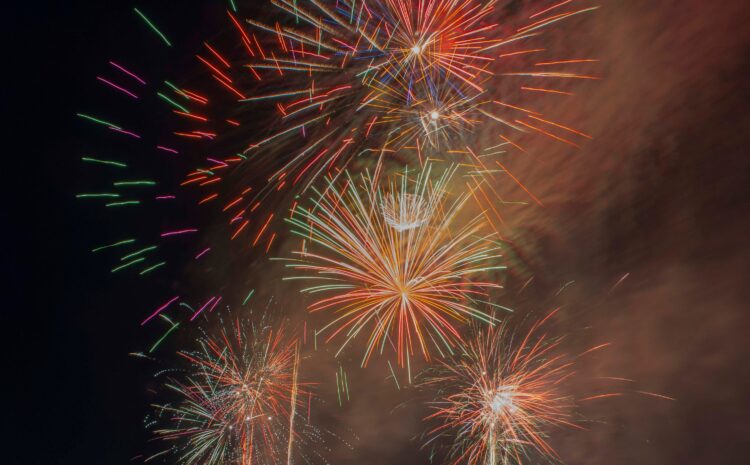
Though wildfire-related haze has blown over for now, July 4 festivities and fireworks may cause another temporary increase in air pollution. Both wildfires and fireworks share the same air pollutant, Particulate Matter 2.5.
“Historically, what we see when we look at our monitoring data over July 4 and July 5 is that the smoke generated by fireworks creates the same type of particle pollution as the wildfires,” says Landry, “so our monitors may skyrocket for an hour, two hours usually around 11 p.m. or midnight, after all those 10 p.m. firework shows have gone off.”
Fortunately, firework-related smoke typically does not last long.
“The good news is that firework smoke is so short-lived that by 2 a.m., all of that particulate matter starts to dissipate,” says Landry.
Much like last week, Cincinnati residents should remain wary and avoid firework shows this July 4 if worried about underlying health concerns.
“Just safeguard your health,” says Landry. “If you’re somebody with asthma, you’re best off trying to view those fireworks from afar.”