

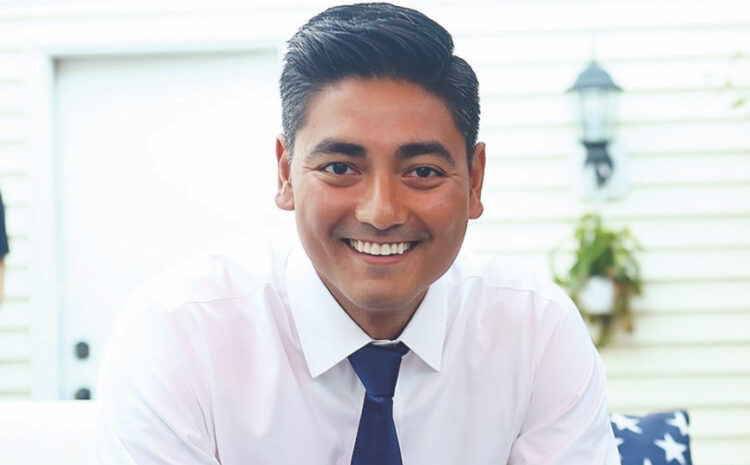
Local leaders weigh in on Mayor Aftab Pureval successes and fumbles during his first year as mayor
In his State of the City address last November, marking his first year in office, Cincinnati Mayor Aftab Pureval touched on the legislative and policy highlights of his first months in office: progress in affordable housing, pending passage of gun safety measures, a blue-chip commission to examine city finances, improvements in pedestrian safety, additional money for human services and more.
But when asked to weigh in on the mayor’s inaugural year, many community leaders first mentioned not the legislative accomplishments, but something less tangible: an energy, enthusiasm and positive tone coming from City Hall. Many mentioned the challenges ahead, such as a looming budget deficit, but it was a vitality around the matters of the city that most cited first.
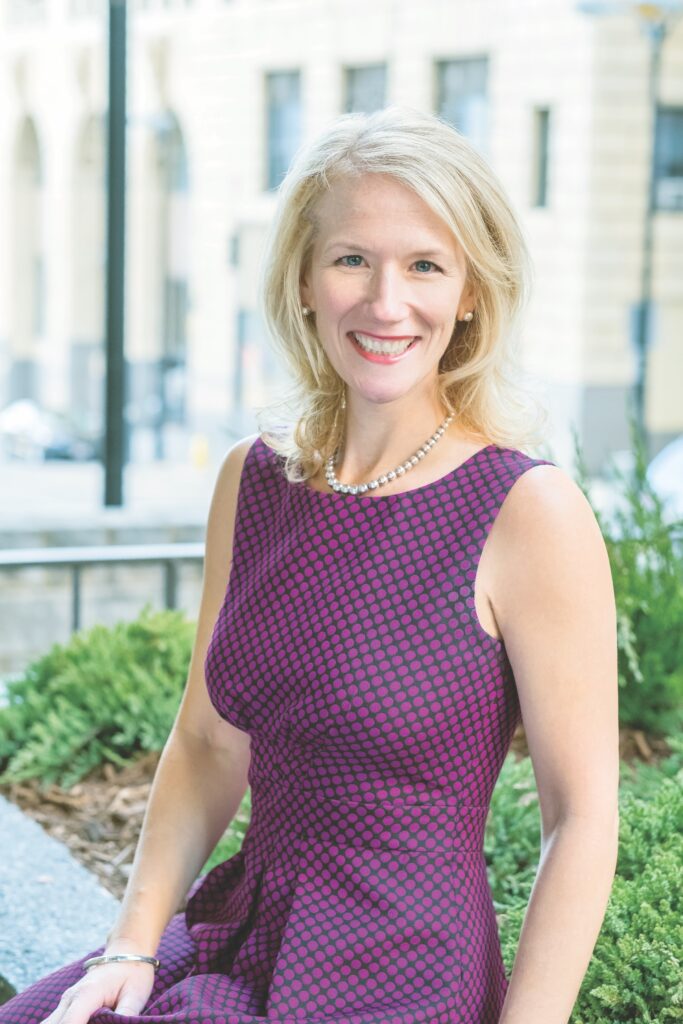
“I appreciate how much energy and enthusiasm the mayor has brought to his first year at City Hall,” says Liz Keating, the sole Republican on Cincinnati City Council.
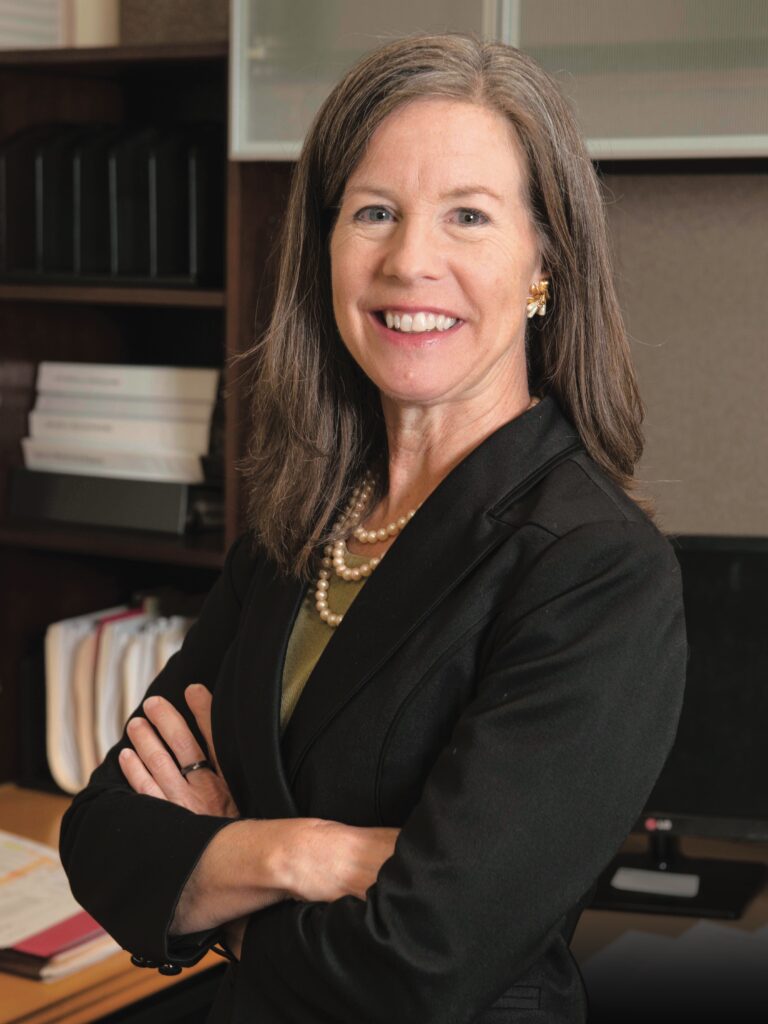
“Mayor Pureval has brought a new energy to Cincinnati City Hall,” says Hamilton County Commissioner Denise Driehaus, a Democrat.
“He has set a positive tone at City Hall and works well with the members of council,” says Jill Meyer, the outgoing CEO of the Cincinnati USA Regional Chamber.
Entrepreneur Rico Grant called it “a culture shift. That’s what comes to mind when I think about Mayor Aftab’s first year in office.”
Pureval (whom most call “Aftab” or “Mayor Aftab”), a Democrat, took office Jan. 4, 2022, along with a City Council that included six new faces in the nine seats. They ushered out the previous City Council, which had seen four of its nine indicted. Following the wave of scandal, Council and Pureval enacted new ethics codes.
He also followed Mayor John Cranley, whose two terms in office were productive, but also marked by often-contentious relations with a City Council that could be split along pro- and anti-Cranley lines.
With Cranley, “You were either on board or left in the wake,” says John Eby, a Westwood neighborhood leader and member of the Cincinnati Planning Commission. “Aftab seems like he has a good idea of where he wants to take the city, but his approach appears to be more collegial. He’s researched the policies that he wants to implement but he’s also garnered input from his administration, council members, community leaders and other cities that have implemented similar policies.”
“He has put in place solid and reliable leaders for our city who will be transformational,” says the chamber’s Meyer, mentioning the new City Manager Sheryl Long and Chief of Police Teresa Theetge.
Several noted his actions to begin to ease the shortage of affordable housing. “Mayor Aftab put forward a strong affordable housing agenda as a candidate and wasted no time putting it into action,” says Kristen Baker, executive director of LISC (Local Initiatives Support Corporation) Greater Cincinnati. Through his jumpstart and funding of the city’s Affordable Housing Trust Fund and other initiatives, “he is signaling that housing affordability is a priority for the city administration,” she adds.
“Aftab has directed significant resources to the creation of more affordable rental units,” says Joe Huber, CEO of the Cincinnati Development Fund, which is managing the affordable housing fund.
Huber also mentioned improved relationships between the mayor’s office and City Council, saying the mayor “has fostered a culture of teamwork among the council and has empowered council members to lead with confidence and audacity.”
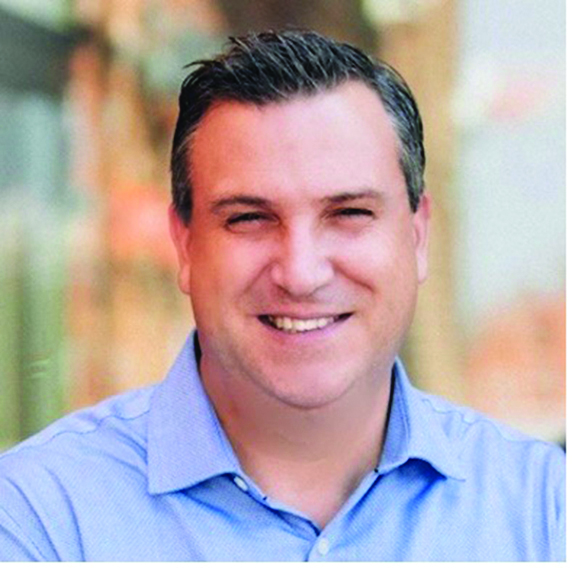
Pureval has embraced the city’s entrepreneurship ecosystem, says Pete Blackshaw, CEO of Cintrifuse, the Over-the-Rhine startup accelerator. He championed the city’s partnership with Cintrifuse for a “Litter Hackathon,” a week-long brainstorming session that sought new ideas for controlling litter.
At a breakfast shortly after Pureval took office, Blackshaw says, “I was struck by his listening ability. Halfway through my omelet, he recapped point by point the many topics I had already raised with him.
“I like the way he gets in front of issues,” Blackshaw says, “and far before a crisis hits us,” citing the creation of the Cincinnati Futures Commission, the blue-chip task force led by P&G chief executive Jon Moeller, that Pureval has asked to evaluate the city’s financial condition and make recommendations.
Julie Calvert, head of Visit Cincy, the convention and tourism agency, also mentioned his capacity for listening. “He listens authentically and deeply cares about the people and state of our community,” she says. “He has consistently sought ways to bring the community together—in the best and most challenging situations.”
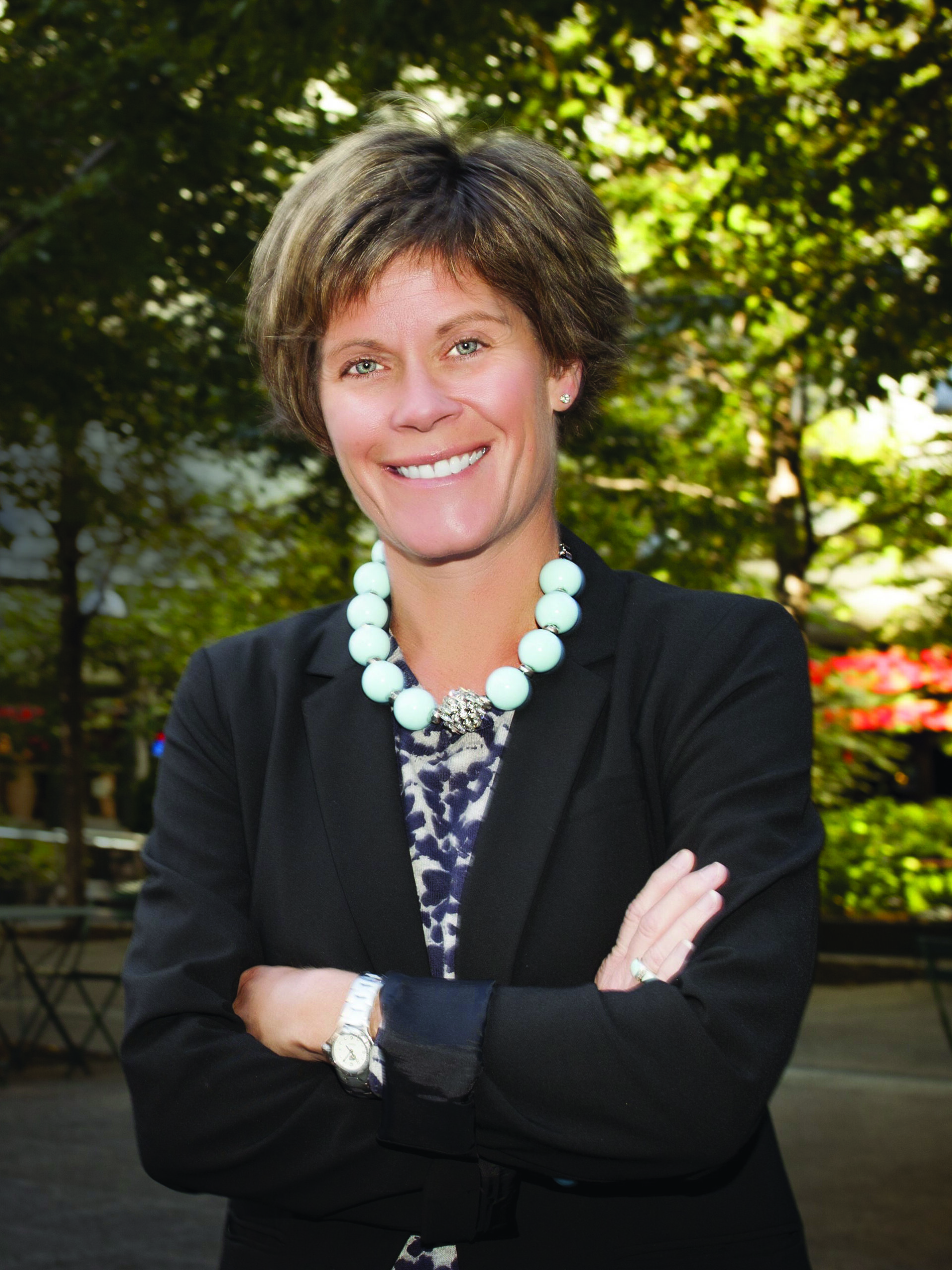
Brian Griffin, head of the Cincinnati AFL-CIO Labor Council, says the mayor “is off to a good start” by exhibiting greater transparency and a commitment to deal with longstanding problems. “We’re headed in the right direction,” he says.
Kate Schroder, CEO of Interact for Health, says she was encouraged by Pureval’s “passion for and commitment to health.”
“He views health broadly and understands it’s much more than access to health care services; it’s also about the social conditions that shape the length and quality of a person’s life,” she says.
Only one person mentioned what may have been the biggest gaffe of his first year: his video trolling the Kansas City Chiefs in advance of the league championship game with the Bengals. Although he apologized, the viral video provided bulletin-board fodder for the Chiefs, who beat the Bengals to advance to the Super Bowl. “Yeah, deserved that,” he tweeted after being singled out as a “jabroni” in a nationally televised, post-game interview.
The Bengals fortunes aside, Pureval faces challenges ahead. The affordable housing work is just beginning, says LISC’s Baker. “Public resources must be leveraged with private investment to comprehensively address Cincinnati’s housing needs,” she says.
Griffin of the union organization says tackling deferred maintenance at the city’s parks and fire department, as well improving housing and transportation, should be priorities.
Driehaus, who praised Pureval’s relationship with her and other county leaders, cites “the rebirth of the Convention Center District, increased emphasis on equity and inclusion, and forward progress on the Metropolitan Sewer District,” as next opportunities.
With major federal legislation making funding available for infrastructure, semiconductor-related work and climate investment, Blackshaw says, “His biggest test will be how he leads our city and region to draw ‘leadership share’ of the $1 trillion in federal industrial policy money … This is a once-in-a-generation opportunity.”
