

Area hospitals are advancing cancer treatments with latest technologies
Health care systems and medical professionals across the region are making a significant difference in the advancement of cancer care through a patient-centered focus, research and by utilizing the latest technologies.
Dr. Syed Ahmad, a renowned world expert on pancreatic cancer and co-director of the UC Cancer Center, was recently involved in a national study that looked at how best to give pancreas cancer patients chemotherapy.
“Cincinnati was the lead institution on that study, and it really changed how we manage pancreatic cancer and what drugs we choose to treat patients with,” says Ahmad, “This is a study that has gotten a lot of international attention, and it’s an example of what we are doing to educate the rest of the world in terms of pancreatic cancer.”
Cutting-edge research, studies and clinical trials have been groundbreaking when it comes to treating cancer patients at the UC Cancer Center. The center is behind some impressive work with cancers such as pancreatic cancer, brain tumors and blood cancers, to name a few.
“We have a clinical initiative and a research initiative that are very complimentary of each other,” says Dr. William Barrett, who serves as co-director of the UC Cancer Center with Ahmad.
UC Cancer Center also has a robust research infrastructure. As part of the research, there is a lot of collaboration between scientists and clinicians. There are also several training programs for medical and nursing students.
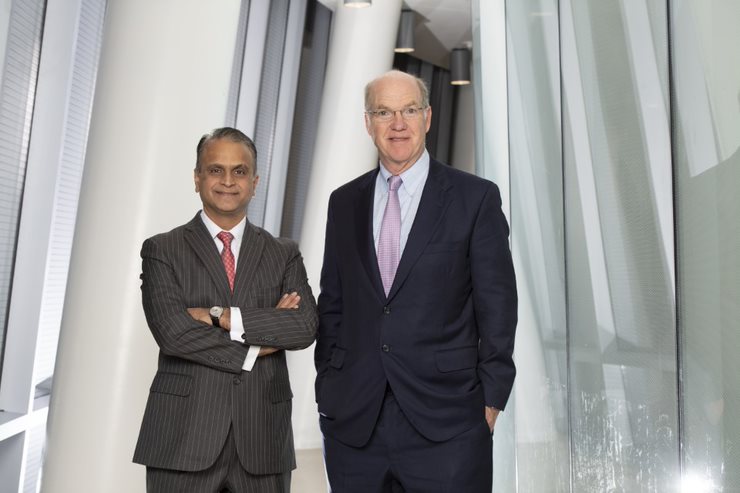
“Being the only academic center in the region, we feel like we have an obligation to do all that we can to try to raise all of the cancer care throughout the region and beyond. Our primary responsibility, though, is to the region… We try to emphasize when it comes to this disease, cancer, the competition is not each other. We want people to have a great outcome wherever they’re treated,” Barrett says.
However, Ahmad also says that UC Cancer Center has made it a mission to bring an NCI designated cancer center to the Greater Cincinnati area.
“An NCI designee is devoted to excellence in cancer research and cancer care. There are just over 70 NCI Centers in the country, and we are poised to become the next,” Ahmad says.
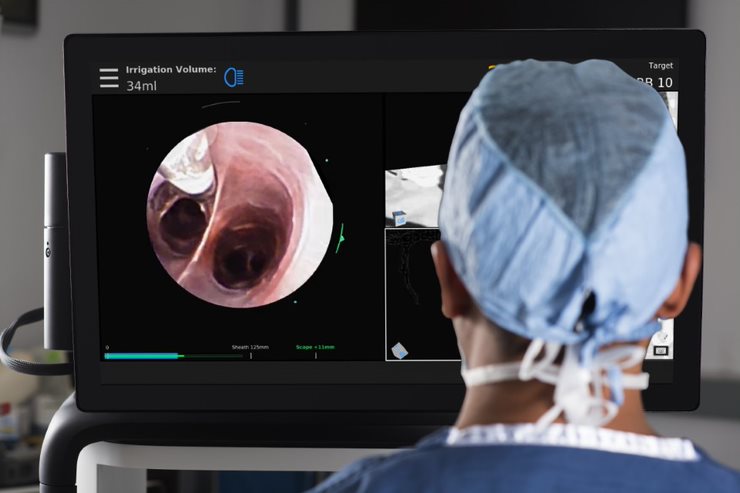
The Christ Hospital Health Network is among the first hospitals in the U.S. to use an innovative technology to fight lung cancer. Used to view the inside of the lungs and obtain a tissue sample for biopsy, Auris Health’s Monarch Platform will now enable an earlier and more-accurate diagnosis of small and hard-to-reach nodules in the periphery of the lung.
“Lung cancer is the leading cause of cancer deaths worldwide, in part because it has no symptoms in its early stages. Because the Monarch Platform provides improved reach, vision and control for bronchoscopic procedures, it holds potential to help us to make a diagnosis earlier,” says Dr. Vishal Jivan at The Christ Hospital Health Network.
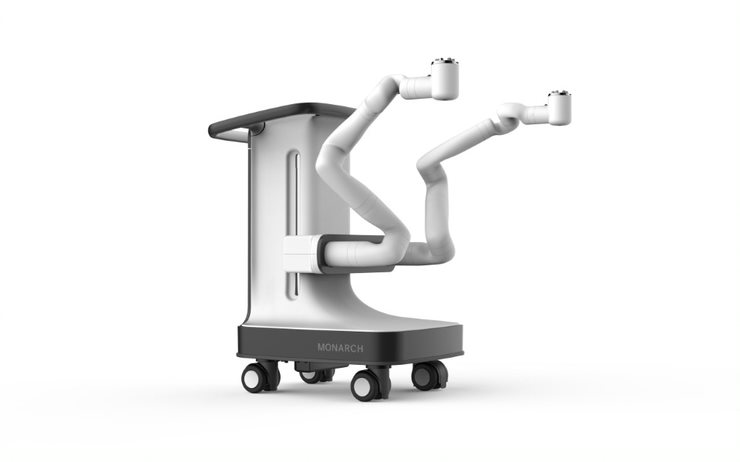
This less invasive approach can increase the chance of survival and reduces unnecessary invasive procedures for lung cancer patients.
“We are excited about the promise of this technology, which together with our comprehensive lung programs and multispecialty expertise, allows us to offer a more hopeful future for our patients with lung cancer,” Jivan says.
TriHealth Cancer Institute has launched a Precision Oncology program. TriHealth’s Precision Medicine provides genetic services and the latest genetic technology to help prevent, diagnose and treat a variety of health conditions, including cancer. With this approach, patients work with their physicians and genetic counselors to learn what factors are most important in preventing disease and improving health outcomes.
“The advances in cancer have dramatically shifted in the last 10 years… Some of the agents we are using nowadays are focused in on or targeting specific changes in the cancer, so we are being more precise and that’s where Precision Oncology comes in on how we treat the cancer,” says Dr. James Maher, physician executive for the TriHealth Cancer Institute and medical oncologist, certified in cancer prevention genetics.
The experts at TriHealth Cancer Institute are leading the way with the use of genetic counseling to identify early warning signs of cancer and spot it much sooner than in the past. It can also prevent certain types of cancer altogether.
“[We look at] what is the tumor or the cancer itself doing to cause it to grow, and we do that by looking at the generic characteristics of the tumor, and dramatic changes in the tumor. When you look at those, sometimes there are certain agents, targeted pills or targeted infusions that can turn off or change the cancer or even put it into remission,” says Maher.
This approach takes advantage of each person’s unique set of genes, environment and lifestyle to personalize a care plan and prevention measures.
“At TriHealth, … we are using information about a patient’s genetic make-up, including the genetic mutations that are found in their tumor to make the best plan for treatment. Of course, sometimes, inherited mutations are a part of those mutations that are found in the tumor,” says Karen Huelsman, a licensed and board-certified genetic counselor and the Precision Oncology Lead for TriHealth Cancer Institute.

She says many people are familiar with genetic testing when it comes to breast or ovarian cancers, but this approach is different because it does genetic testing of the tumor with tumor genomic profiling.
Providing cancer care down to the DNA level is one of the reasons TriHealth earned the Outstanding Achievement Award from the Commission on Cancer, becoming part of an elite group—only 14% of health systems in the U.S. achieve this accreditation.
The Brain Tumor Center at The Jewish Hospital, which Mercy Health launched in partnership with Mayfield Brain & Spine and OHC, is home to physicians who specialize in neurosurgery, otolaryngology, radiation oncology, medical oncology, neuro-oncology, neurology, neuropathology, neuroradiology and rehabilitation medicine.
The Brain Tumor Center offers a skull base brain tumor program featuring fellowship-trained neurosurgeons and ENT surgeons, the Gamma Knife ICON radiosurgery program, a multidisciplinary Brain Tumor Board and a nationally recognized bone marrow transplant program.
“Establishing The Brain Tumor Center as a regional destination for the most advanced neurosurgical treatment is the goal of every provider at the center, and we strive every day to serve our patients with excellence,” says Dr. Vincent DiNapoli, a neurosurgeon with Mayfield Brain & Spine and director of the Brain Tumor Center at The Jewish Hospital – Mercy Health.
With centralized care in one place, patients can receive a high level of care close to home.
“I would want people to know that there’s a center like this in Cincinnati that they have access to, and that we put a lot of time and effort into developing the center over the last five years,” DiNapoli says.
In February of 2020, DiNapoli became the first surgeon in the United States to utilize GammaTile Therapy for the treatment of newly diagnosed malignant brain tumors.
The small collagen tile is placed directly at the site of the tumor immediately after the tumor is removed to target residual tumor cells before they can replicate. Because the therapy is implanted at the end of surgery, patients treated with GammaTile therapy require no additional trips to the hospital for radiation therapy.
Mercy Health’s Brain Tumor Center at Jewish Hospital recently earned Multidisciplinary Team of Distinction honors from the North American Skull Base Society (NASBS).
